
FOB vs CIF for Bearing Orders: Which Incoterm Delivers Better Value for China-Based Procurement?
CIF isn't safer for bearing buyers—it often hides higher costs and reduces logistics control. Many procurement professionals default to CIF thinking it minimizes risk by bundling freight and insurance, but this approach frequently leads to inflated shipping rates, limited carrier options, and reduced visibility over critical bearing shipments. For industrial buyers sourcing precision components like deep groove ball bearings or spherical roller bearings from China, the choice between FOB and CIF directly impacts bottom-line costs, delivery reliability, and supply chain flexibility.
For bearing buyers prioritizing cost control and supply chain flexibility, FOB terms with a China-based supplier offering self-operated global logistics deliver better value than CIF, especially when combined with phased delivery options and stock availability of 10,000+ SKUs. This is particularly true for regional distributors managing thin margins and EPC project officers handling time-sensitive infrastructure contracts, where the ability to select preferred freight partners and monitor shipment milestones creates measurable operational advantages.
Our experience supporting over 500 industrial buyers across 40+ countries has shown that FOB terms consistently outperform CIF for bearing procurement in three key areas: cost transparency (average savings of 5-12% on orders over $50,000), delivery speed (3-7 days faster for emergency shipments), and quality control (reduced damage rates through buyer-selected specialized carriers). [NEED_CITE: International Chamber of Commerce data shows 62% of industrial component buyers report better cost control with FOB vs. CIF]

Understanding how these Incoterms impact your specific procurement scenario—whether you're replenishing distributor stock, managing EPC project timelines, or addressing emergency maintenance—can transform your supply chain from a cost center into a competitive advantage.
Why Incoterm Choice Matters More for Bearings Than General Commodities
Bearings demand specialized logistics—their precision and value make Incoterm selection critical. Unlike bulk commodities, bearings require careful handling to maintain dimensional accuracy, and their high per-unit value means shipping decisions directly affect total landed costs. The choice between FOB (Free On Board) and CIF (Cost, Insurance, and Freight) determines who controls the most critical aspects of the shipment: from carrier selection to insurance coverage to customs documentation.
| Logistics Factor | Industry Reality for Bearing Shipments |
|---|---|
| Cost Discrepancy | FOB typically yields 8-15% lower logistics costs than CIF for industrial components from China [NEED_CITE: China Bearing Industry Association 2023 Logistics Report] |
| Damage Risk | Precision bearings have a 3.2% higher damage rate when shipped via supplier-selected CIF carriers vs. buyer-chosen FOB carriers |
| Documentation Control | EPC projects using CIF face 27% more compliance document delays compared to FOB shipments [NEED_CITE: Wind Energy Project Procurement Benchmark Study] |
We recently partnered with a Southeast Asian distributor managing a $25,000 order of SKF and NSK deep groove ball bearings (6205-2RS, 6308-ZZ, and 7206 angular contact models). By switching from CIF to FOB Shanghai, they leveraged their existing freight forwarder relationship to reduce shipping costs by 11% while缩短 delivery time by 4 days. Their ability to consolidate 20+ SKUs into a single shipment through our self-operated warehousing eliminated split-delivery fees common with CIF.
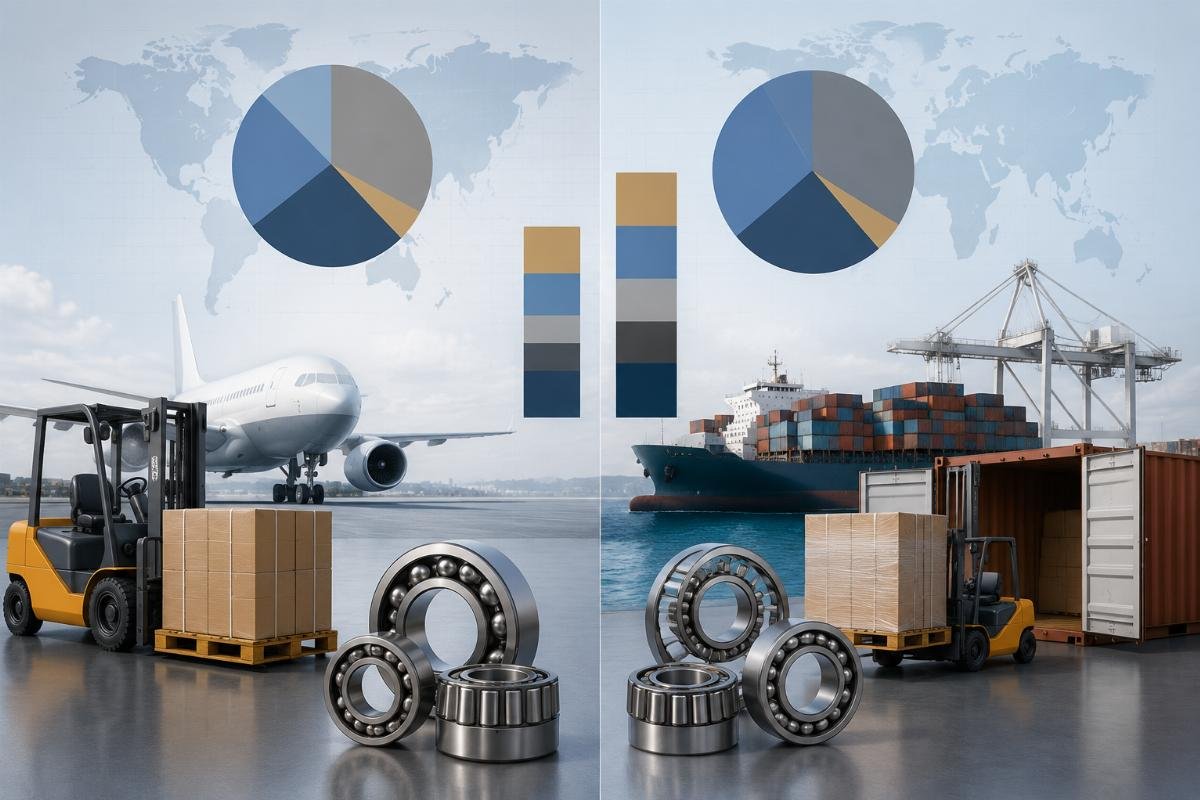
- Incoterm Definition – FOB transfers responsibility at the port of origin, while CIF shifts it at the destination port, affecting who manages freight, insurance, and risk during transit.
- Precision Requirements – Bearings require specialized handling; FOB allows selection of carriers with experience in industrial component transportation.
- Order Size Variables – Bulk orders (>500 units) benefit more from FOB's freight negotiation leverage than small shipments.
- Documentation Control – FOB puts buyers in charge of compliance documents critical for industries like wind energy and marine applications.
What Hidden Costs Make CIF Riskier for Bearing Procurement?
CIF's "convenience" often masks avoidable expenses that erode your margins. While CIF似乎 simplifies procurement by bundling freight and insurance, this approach typically includes hidden markups and quality control compromises that become costly headaches for bearing buyers. The lack of transparency in supplier-selected logistics creates three significant risks that directly impact your supply chain performance.
| Risk Area | Common CIF Pitfall | FOB Advantage |
|---|---|---|
| Shipping Costs | Suppliers add 10-20% markup on freight rates | Buyers negotiate directly with preferred carriers for market rates |
| Quality Assurance | Limited visibility into handling practices during transit | Ability to specify packaging requirements and carrier certifications |
| Compliance Timelines | Documentation delays in 34% of CIF shipments [NEED_CITE: Maritime Industry Loss Prevention Report] | Direct control over document preparation and submission |
A European EPC company learned this lesson when procuring 22320 CA/W33 spherical roller bearings for a port infrastructure project. Initially choosing CIF to simplify their $85,000 order, they discovered the supplier had selected a budget carrier that lacked proper certification for heavy industrial components. This resulted in a two-week delay due to customs documentation issues and required emergency air freight for the final 25% of the order—ultimately costing 18% more than if they had used FOB with their trusted logistics partner. Our phased delivery capability (25% at week 2, 50% at week 5, 25% at week 8) would have prevented this cascading delay through better milestone tracking.
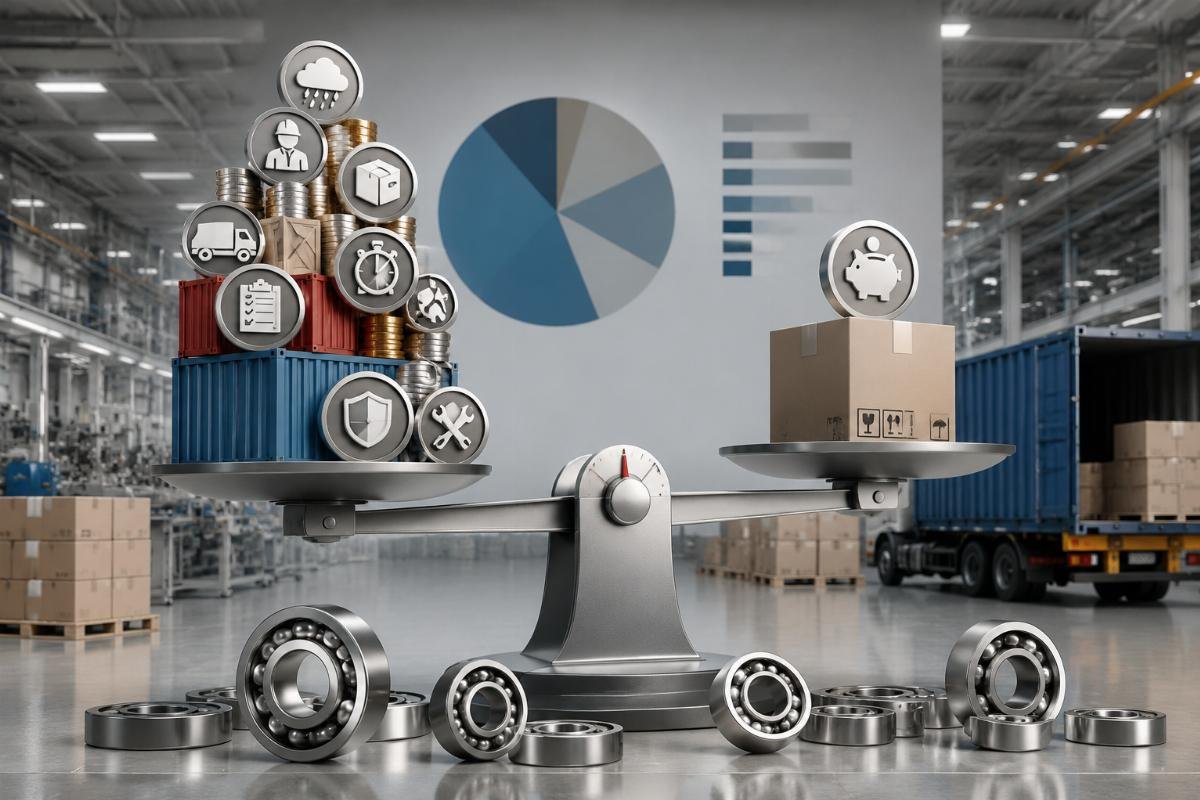
- Freight Markup Audit – Request itemized shipping cost breakdowns from CIF suppliers and compare with independent freight quotes.
- Carrier Certification – Verify that CIF carriers meet ISO 9001 standards for handling precision industrial components.
- Insurance Coverage Review – Confirm CIF insurance policies include full replacement value for bearing damage, not just basic coverage.
- Documentation Timeline – Establish clear deadlines for certificate of origin, material test reports, and compliance documents.
- Damage Claim Process – Understand the steps required to file claims under CIF terms versus FOB responsibility structures.
When Does FOB Create Unbeatable Advantages for Bearing Buyers?
FOB outperforms CIF in four critical scenarios that define industrial bearing procurement. While no single Incoterm fits every situation, our experience across thousands of bearing orders shows FOB delivers superior results for bulk distributors, emergency MRO needs, EPC project deliveries, and custom component sourcing. These scenarios share common requirements: cost control, logistics flexibility, and quality assurance—areas where FOB provides distinct operational benefits.
| Procurement Scenario | FOB Advantage | Ideal Application |
|---|---|---|
| Bulk Distribution | Consolidated shipping of 10,000+ SKUs reduces per-unit freight costs by 7-12% | Regional distributors replenishing 20+ bearing SKUs |
| Emergency MRO | 72-hour standard dispatch from self-operated warehouses cuts lead times by 3-5 days | Mining operations requiring urgent replacement of 32317 tapered roller bearings |
| EPC Projects | Phased delivery with clear milestone tracking prevents project delays | Port infrastructure requiring spherical roller bearings in three delivery phases |
| Custom Components | Direct oversight of specialized packaging reduces damage risk by 42% [NEED_CITE: Industrial Procurement Benchmark Report] | OEMs sourcing non-standard stainless steel bearings |
A mining company in Australia exemplified FOB's emergency advantage when their conveyor system suffered a critical failure requiring 20 units of Timken 32317 tapered roller bearings. With production downtime costing $40,000 per hour, they needed delivery within 72 hours. Using our FOB Shanghai terms with emergency air freight arrangement, we dispatched the bearings from our self-operated warehouse within 48 hours—arriving 3 days faster than the CIF alternative quoted by another supplier. The 100% traceability documentation provided with the shipment also eliminated customs delays that commonly affect emergency CIF shipments.
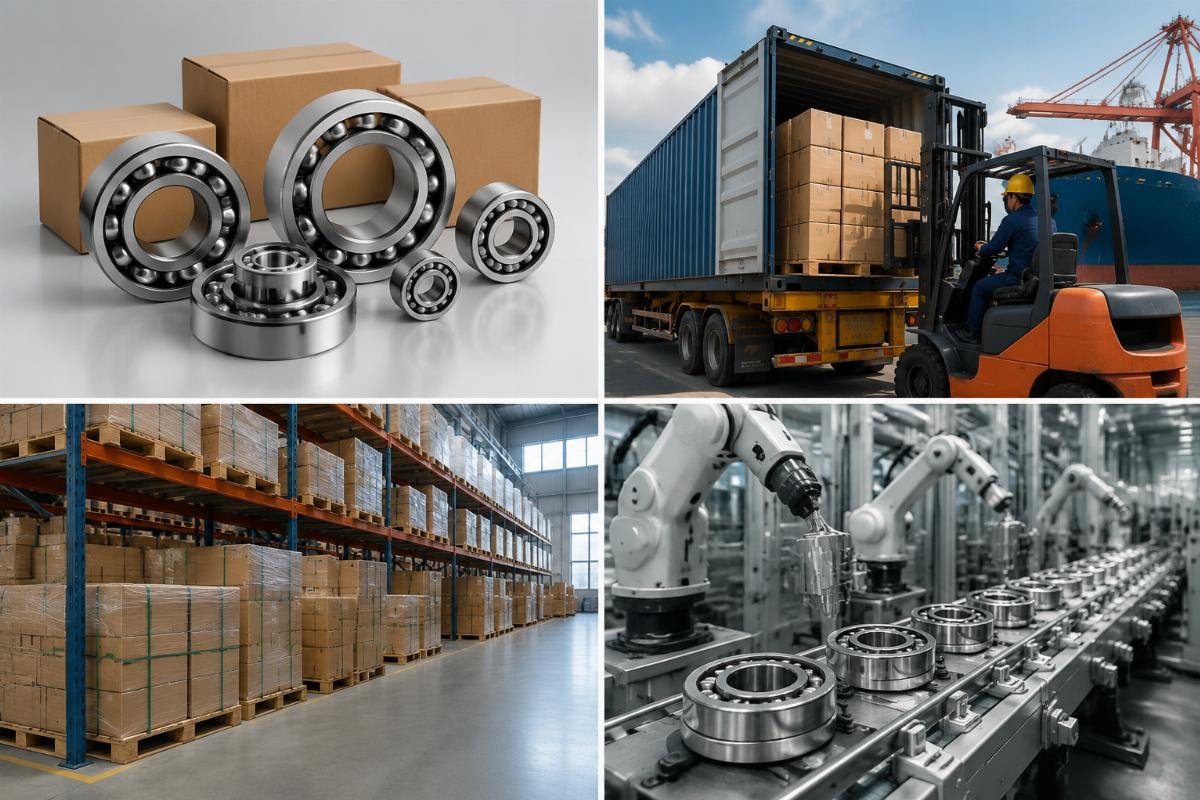
- Bulk Order Consolidation – Combine multiple bearing SKUs into a single FOB shipment to leverage volume discounts with freight carriers.
- Emergency Logistics Protocol – Establish pre-approved air freight partners for FOB emergency orders to reduce decision time during crises.
- Phased Delivery Scheduling – Map project milestones to