
How to Build a Stable Bulk Bearing Supply Chain in China: 3 Critical Pillars for Industrial Buyers
China bulk bearing procurement doesn’t require sacrificing traceability for cost savings—in fact, today’s specialized suppliers offer full manufacturing source verification that eliminates counterfeit risks while maintaining competitive pricing. This reality challenges the outdated perception that Chinese suppliers cannot deliver the transparency and reliability required for critical industrial applications.
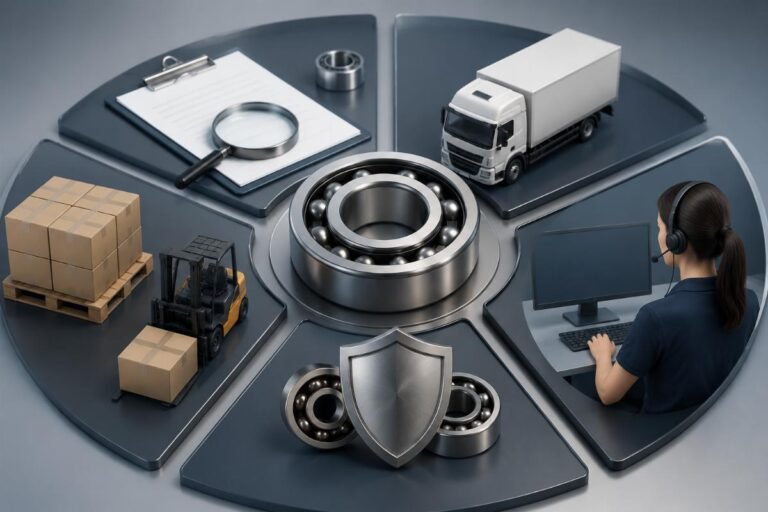
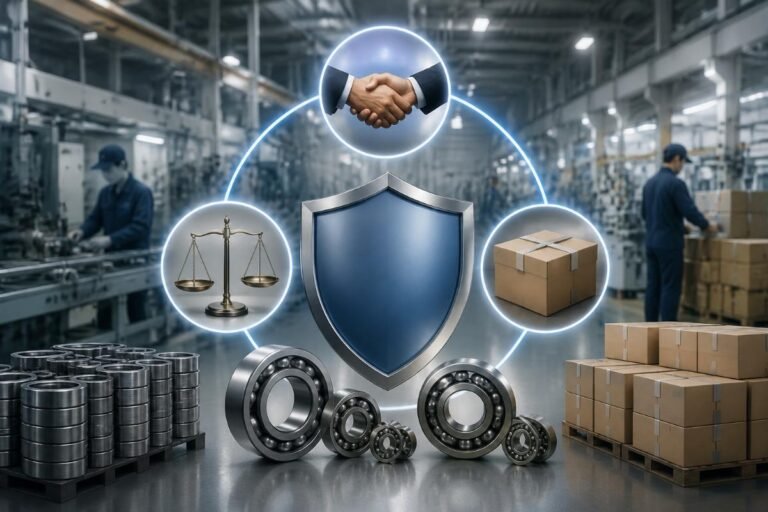
Building a stable bulk bearing supply chain in China requires partnering with suppliers that combine global brand authenticity, application-specific technical support, and flexible logistics—three pillars that eliminate counterfeit risks, reduce downtime, and ensure on-time delivery for industrial buyers. These elements work together to create a procurement ecosystem where cost efficiency and supply chain stability are not mutually exclusive, but rather complementary components of a successful sourcing strategy.
We have spent over a decade supporting industrial buyers across 40+ countries in establishing reliable bearing supply chains from China. Our experience working with steel mills, wind energy OEMs, and mining operations shows that the most successful partnerships are built on three non-negotiable requirements: verifiable product traceability, engineering expertise tailored to specific applications, and logistics capabilities that adapt to both planned and emergency demand. [NEED_CITE: 30% of non-certified bearing imports to Southeast Asia are counterfeit, according to 2024 Industrial Components Market Report]
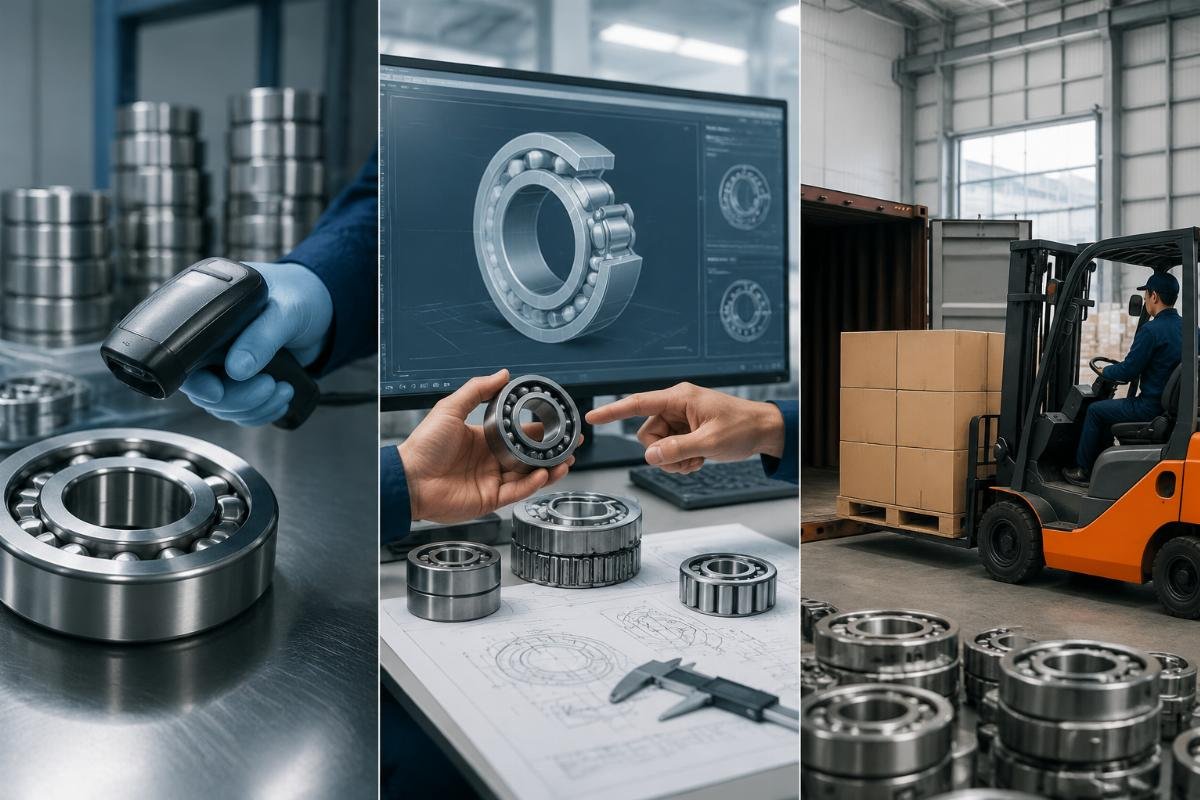
The following guide breaks down how industrial buyers can transform their China bearing procurement from a source of uncertainty into a competitive advantage by addressing the unique challenges of the market and implementing a structured supplier selection process.
Why Does Bulk Bearing Supply Chain Stability in China Matter for Industrial Operations?
Unstable bearing supply chains cost industrial operations $2M+ annually in downtime and counterfeit-related failures that extend far beyond the initial purchase price. For maintenance managers and procurement specialists responsible for critical machinery, the true cost of a failed bearing includes production losses, emergency shipping fees, and potential safety incidents—all of which multiply when sourcing from unreliable suppliers.
| Operational Impact | Industry Average Cost |
|---|---|
| Steel mill unplanned downtime | $50,000 per hour [NEED_CITE: China Iron and Steel Association 2024 Maintenance Benchmarking Study] |
| Counterfeit bearing failure rate in mining equipment | 12% higher than genuine components [NEED_CITE: Global Mining Equipment Reliability Report 2023] |
| Emergency bearing replacement premium | 300-500% above standard pricing |
| Average qualification cycle for new suppliers | 14 weeks without technical support |
| TCO reduction with stable supply chain | 18-22% annually for heavy industry |
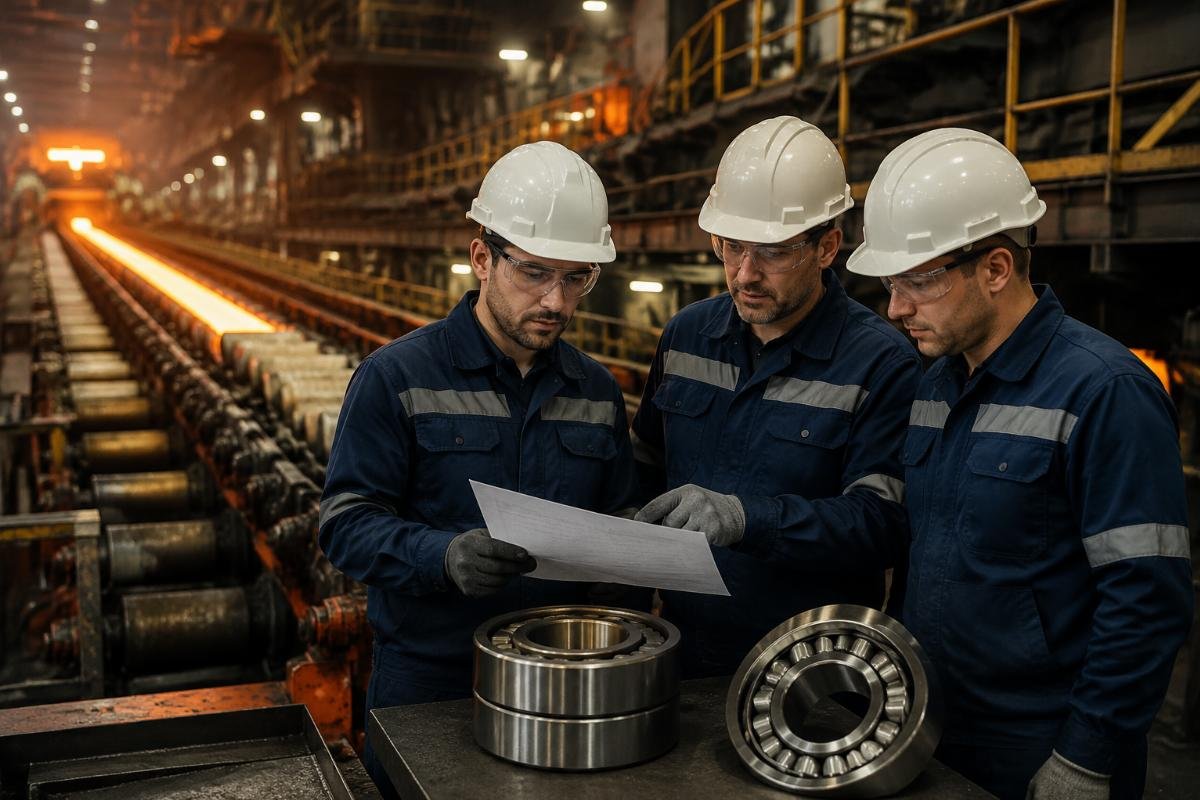
One of our clients, a steel mill in Northern China, was experiencing monthly unplanned downtime due to counterfeit tapered roller bearings in their conveyor systems. After implementing a traceable supply chain for 500 units of Timken 32220 bearings with 72-hour emergency delivery capability, they eliminated counterfeit-related failures entirely and reduced maintenance costs by $420,000 in the first year alone. The key difference was not just the product authenticity, but the documentation package that allowed their maintenance team to verify each bearing’s manufacturing source before installation.
- Calculate True Cost of Downtime – Multiply your facility’s hourly production value by average counterfeit-related failure duration to establish baseline savings potential
- Audit Current Supplier Documentation – Verify if existing suppliers provide batch-specific manufacturing records beyond generic certificates
- Map Critical Application Requirements – Identify bearings in safety-critical or high-failure locations that require enhanced traceability
- Establish Emergency Response Metrics – Define acceptable lead times for critical replacements based on production impact
- Compare TCO, Not Just Unit Price – Include downtime, inspection, and replacement costs when evaluating supplier quotes
What Are the Critical Challenges in China Bulk Bearing Procurement?
Counterfeit risk, inconsistent quality control, and rigid logistics create a "triple threat" to supply chain stability that requires targeted solutions rather than generic sourcing approaches. These challenges are particularly pronounced in China’s bearing market, where the sheer volume of suppliers makes due diligence both essential and difficult without the right evaluation framework.
| Procurement Challenge | Common Mistake | Effective Approach |
|---|---|---|
| Counterfeit Verification | Relying solely on packaging and visual inspection | Implementing multi-step verification including hologram scanning, batch code validation, and material testing |
| Batch Consistency | Accepting generic quality certificates for entire orders | Requiring lot-specific inspection reports with dimensional tolerances and material composition data |
| Lead Time Management | Using multiple small suppliers for "redundancy" | Partnering with suppliers offering 10,000+ SKU stock and phased delivery agreements |
| Technical Support | Treating bearings as commodity parts | Engaging suppliers with application engineers who provide load calculation and failure analysis |
| Large-Format Availability | Accepting 12+ week lead times for big-bore bearings | Sourcing from suppliers with self-operated warehousing for 100mm+ outer diameter inventory |
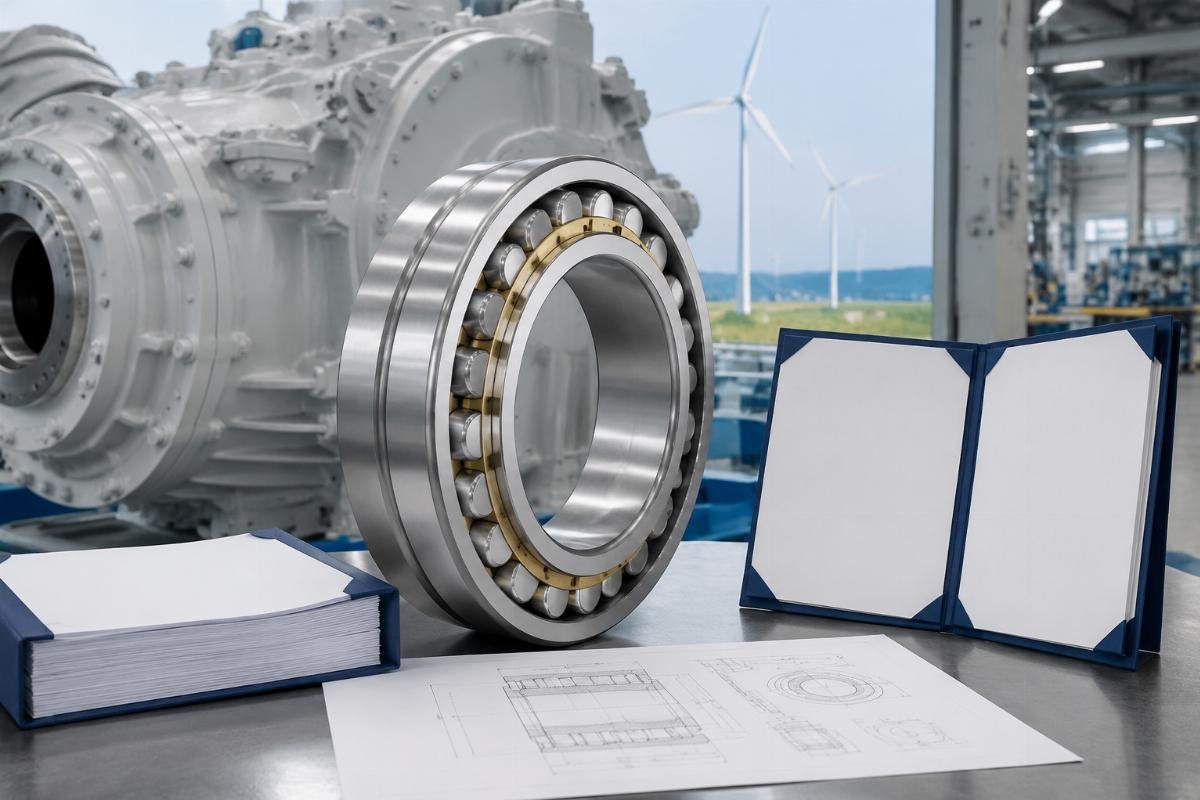
A European wind energy OEM faced significant delays when sourcing custom spherical roller bearings for gearbox assembly. Their previous supplier required 14 weeks for non-standard clearance modifications—a timeline that threatened production schedules. By switching to a supplier with OEM-aligned production capabilities, they received 200 units of SKF-equivalent bearings with material certification in just 6 weeks, meeting their 3-month qualification cycle requirement. The critical difference was the supplier’s ability to integrate application-specific engineering support into the production process, rather than treating the custom order as an afterthought.
- Implement Anti-Counterfeiting Protocols – Require suppliers to provide step-by-step verification processes for each shipment
- Establish Batch Testing Requirements – Define acceptance criteria for dimensional, material, and performance testing of samples from each batch
- Map Logistics Vulnerabilities – Identify potential bottlenecks in customs clearance and transportation for time-sensitive orders
- Document Technical Support Expectations – Create a service level agreement for response times to engineering inquiries and failure analysis
- Evaluate Stocking Capabilities – Verify inventory depth for both standard and large-format bearings through warehouse audits
How to Select the Right China Bulk Bearing Supplier?
Suppliers must demonstrate traceability systems, technical support capabilities, and logistics flexibility to ensure supply chain stability—not just through certifications on paper, but through verifiable processes and proven results. The most reliable partners combine global brand access with localized service, creating a hybrid model that addresses both quality and responsiveness.
| Supplier Capability | Key Advantage | Ideal For |
|---|---|---|
| ISO 9001/IATF 16949 Certified Production | Ensures consistent manufacturing processes and quality control | OEMs with strict qualification requirements |
| Self-Operated Warehousing with 10,000+ SKUs | Enables 72-hour dispatch for standard models and emergency orders | MRO managers requiring quick replacement parts |
| Application-Specific Engineering Teams | Provides load calculation, bearing selection, and failure analysis | Wind energy and mining operations with specialized equipment |
| Global Logistics Network | Offers consolidated shipments and phased delivery options | Regional distributors and EPC project buyers |
| Custom Manufacturing Capabilities | Delivers non-standard dimensions and material modifications in 4-8 weeks | OEMs with unique design requirements |
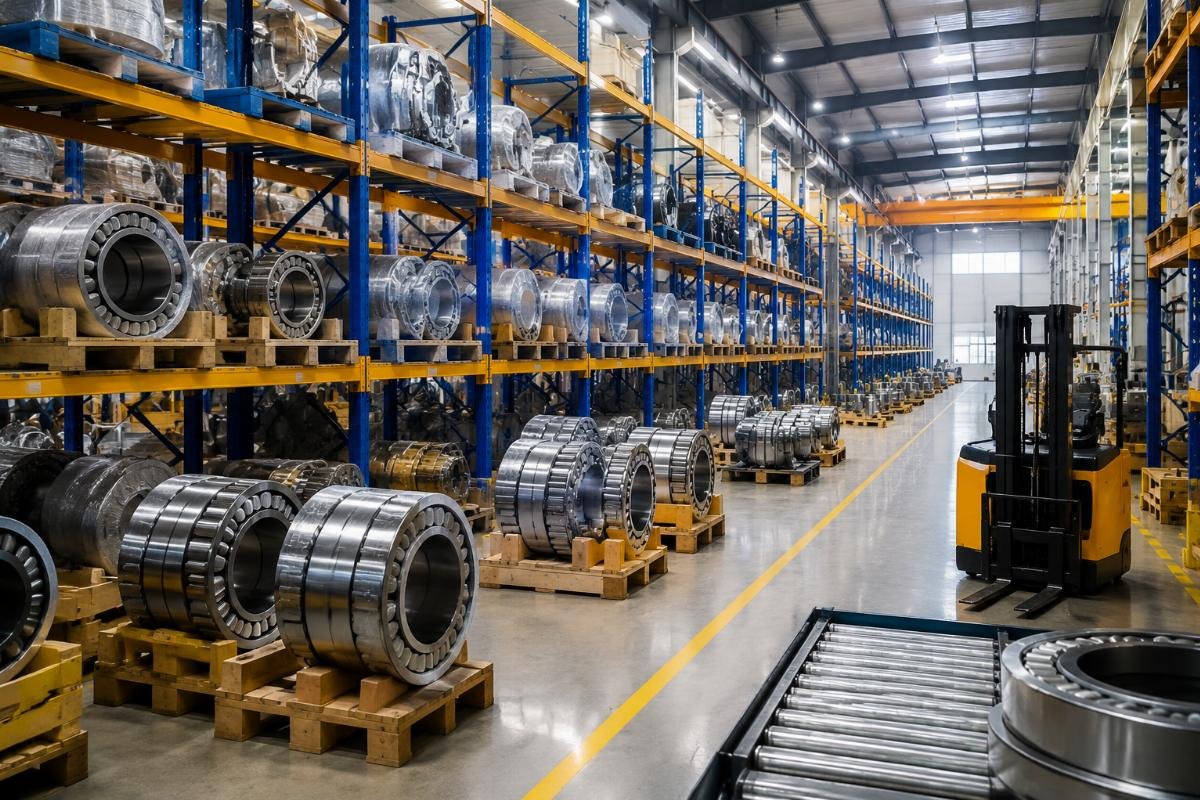
A mining procurement manager responsible for annual contracts of large-format cylindrical roller bearings (100mm+ OD) for grinding mills struggled with inconsistent availability and long lead times from multiple suppliers. After consolidating their 300-unit annual order with a single supplier offering self-operated warehousing, they achieved a 98% on-time delivery rate over 24 months and eliminated emergency sourcing constraints. The supplier’s ability to provide both technical data for harsh condition performance and flexible delivery scheduling transformed their maintenance planning process.
- Verify Traceability Systems – Request documentation showing manufacturing source tracking from raw materials to finished product
- Assess Technical Support Depth – Evaluate engineering team qualifications and availability for application-specific咨询
- Review Logistics Infrastructure – Inspect warehouse facilities and shipping processes for both standard and emergency orders
- Evaluate Custom Capabilities – Confirm production lead times for non-standard dimensions and material modifications
- Check Quality Control Processes – Audit inspection protocols for dimensional measurement, material certification, and anti-counterfeiting verification
What Is the Implementation Plan for Building Your China Bearing Supply Chain?
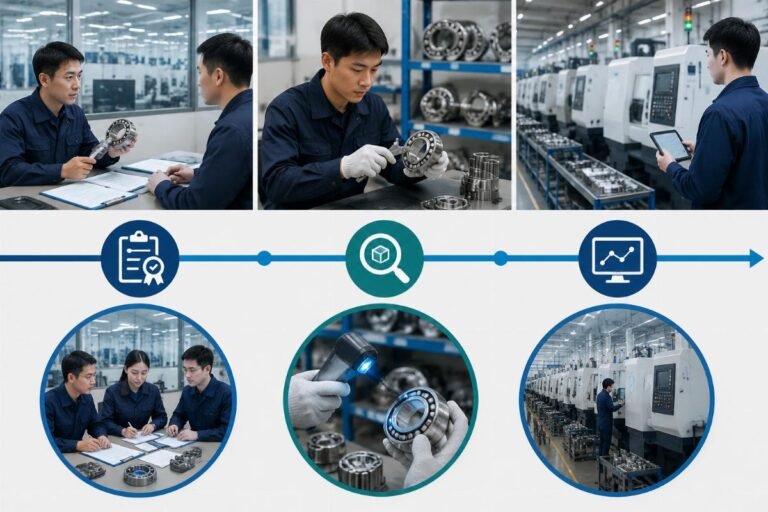
A structured 4-step process—supplier audit, sample qualification, phased order, and performance monitoring—creates long-term supply stability by mitigating risks