

How to Reduce Landed Cost on Bearings: Freight and Duty Optimization for China Sourcing
Most importers assume lower unit price equals lower landed cost, but unoptimized freight and misclassified duty often add 25% or more to total bearing import costs even when you lock in the lowest per-unit rates from suppliers.
Cutting landed cost on bearings relies on two underutilized levers: consolidated sea freight structuring and tariff classification optimization, and partnering with a specialized Chinese bearing exporter can reduce total landed cost by 30-40% for bulk and regular buyers without sacrificing quality.
Having supported hundreds of bearing importers across 80+ markets over the past decade, we consistently see teams fixate on negotiating 5-10% off per-unit pricing while ignoring far larger cost drains that cost them tens of thousands of dollars annually. [NEED_CITE: Standard landed cost breakdown for bearing imports shows unit price accounts for 45-55% of total cost, while freight and duty make up the remaining 45-55% combined]
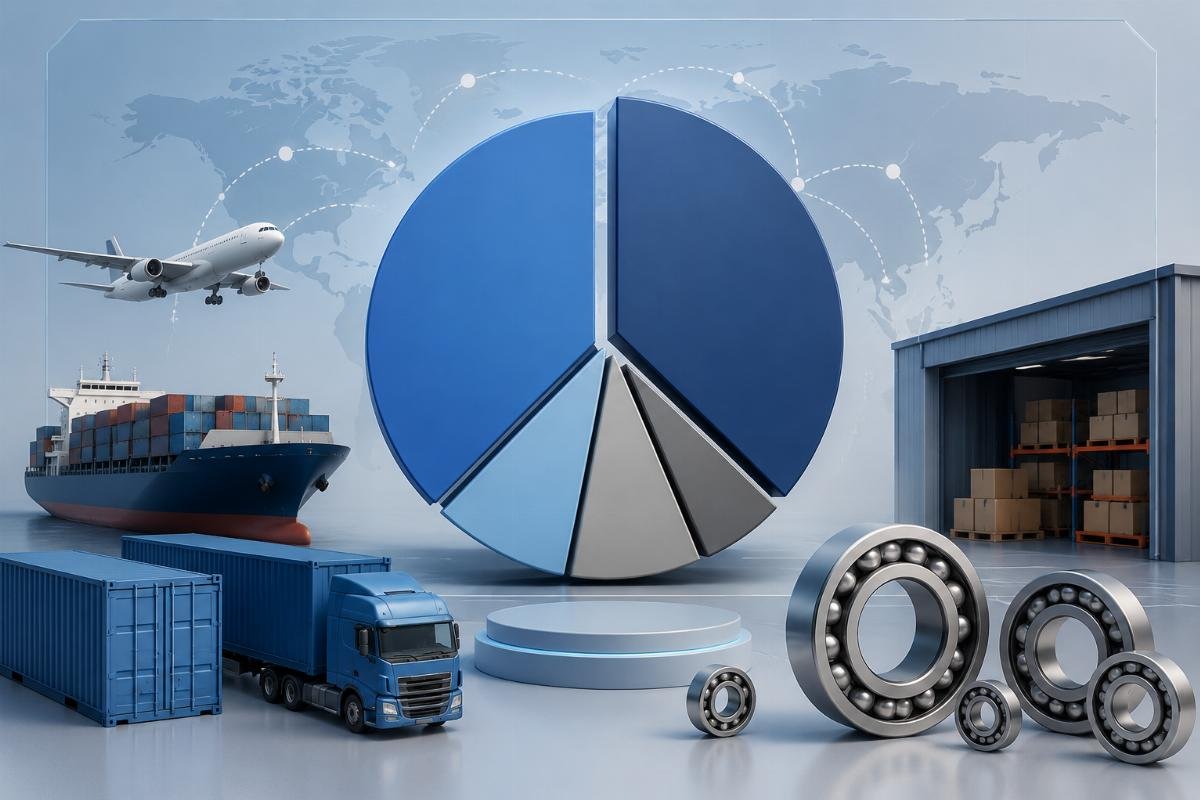
The actionable steps below are proven across real client cases to deliver consistent, measurable savings without forcing you to adjust your existing order cadence or compromise on part quality.
Why do most bearing importers overpay 30%+ on landed cost even when they get low unit prices?
| Nearly all unnecessary overspend stems from two overlooked areas: unstructured freight allocation and incorrect HS code classification, not supplier unit pricing. | Cost Category | Common Inefficient Practice | Proven Optimized Practice |
|---|---|---|---|
| Freight Planning | Booking spot LCL shipments for every individual order with no pre-scheduling | Locking in scheduled consolidation pools aligned to your regular order volume brackets [NEED_CITE: Global Industrial Bearing Suppliers Association 2024 freight benchmark data shows scheduled consolidation cuts per-unit freight costs by 20-28% vs spot LCL] | |
| Customs Declaration | Using a generic HS code for all bearing types regardless of precision or application | Mapping each bearing sub-category to the most specific eligible HS code for your target import market | |
| Order Processing | Handling separate shipments and customs filings for each individual order from multiple suppliers | Bundling all component SKUs into a single consolidated shipment and filing |
A Latin American mining equipment dealer ordering 2 container loads of spherical roller bearings per quarter was able to switch from ad-hoc LCL bookings to pre-planned FCL pooling, cutting per-unit freight costs by 22% over a 6 month period without any change to their total order volume.
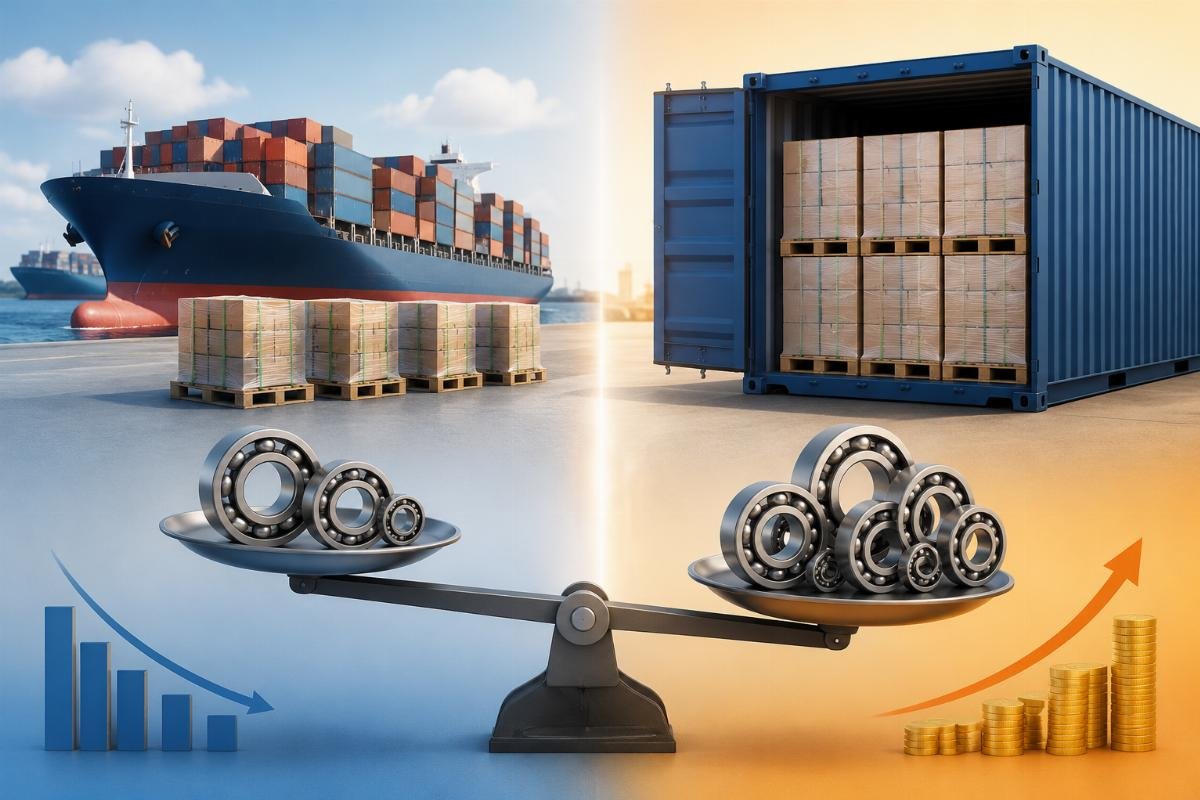
- Landed Cost Audits – Run a full review of your last 3 months of import filings to flag instances of generic HS code use and unconsolidated shipments.
- Volume Mapping – Match your monthly and quarterly order volumes to the corresponding freight optimization bracket (LCL consolidation, scheduled bulk pooling, express/sea mix).
- Supplier Alignment – Confirm your existing supplier has pre-built consolidation routes aligned to your target import region.
What freight strategies cut bearing shipping cost without extending lead times?
| Scheduled consolidation for regular SKUs and mixed express/sea routing for urgent orders deliver the highest consistent savings with no lead time extensions. | Order Type | Common Inefficient Practice | Proven Optimized Practice |
|---|---|---|---|
| Bulk Regular Orders | Booking separate LCL shipments as individual orders come in | Joining a pre-scheduled weekly consolidation pool for all regular SKUs | |
| Small Repeat Orders | Paying premium rates for standalone courier shipments | Bundling multiple monthly small orders into a single consolidated shipment | |
| Urgent Replacement Orders | Booking only express courier for all emergency parts | Using a tiered mix of in-stock local inventory for immediate dispatch and sea freight for lower priority backup stock |
A Southeast Asian agricultural machinery buyer ordering urgent replacement bearings on a monthly basis used a bundled express and sea freight mix to cover both immediate needs and upcoming stock requirements, cutting average landed cost by 18% across 12 consecutive monthly orders while never waiting longer than 5 days for critical parts.

- Consolidation Lock-in – Work with a supplier that maintains existing weekly consolidation routes to your target port to avoid the delays of building your own pooling structure.
- SKU Tiering – Split your SKU list into high-priority urgent parts and low-priority stock parts to assign the correct shipping tier for each.
- Lead Time Confirmation – Verify that your supplier can dispatch in-stock SKUs the same day to avoid hidden delays in processing times.
How to optimize bearing duty classification to avoid overpaying customs?
| Correct sub-category mapping for precision, heavy-duty and specialty bearings reduces applicable duty rates by 4-6 percentage points for most major import markets. | Bearing Type | Common Inefficient Practice | Proven Optimized Practice |
|---|---|---|---|
| Precision Bearings | Filed under a generic general-purpose bearing HS code | Filed under the specific sub-category for high-precision industrial bearings eligible for lower duty rates [NEED_CITE: World Customs Organization standard HS code definitions clearly separate general purpose and precision mechanical part categories] | |
| Heavy-Duty Bearings | Grouped with standard consumer-facing bearing SKUs | Classified under the heavy industrial equipment component sub-category for your target market | |
| Cross-Border Shipments | Using the same HS code for all markets regardless of regional tariff rules | Aligning classification to the specific tariff schedules for North America, EU, ASEAN or Latin America as applicable |
A European automotive aftermarket distributor with a regular order of 120 distinct bearing SKUs worked with their supplier to reclassify all parts to the correct sub-category, cutting their applicable duty rate from 8.7% to 3.2% for all subsequent bearing imports.

- HS Code Cross-Reference – Map each of your regularly ordered SKUs to the most specific eligible sub-category for your import market.
- Declaration Documentation – Compile application and specification documentation to support your classification in the event of a customs audit.
- Regular Review – Update your classification list on an annual basis to align with any changes to regional tariff rules.
What hidden landed cost levers do 80% of bearing importers miss?
| Pre-shipment inspection bundling and consolidated supplier order processing eliminate hidden handling and clearance fees that often go unnoticed in per-unit pricing negotiations. | Hidden Cost Area | Common Inefficient Practice | Proven Optimized Practice |
|---|---|---|---|
| Inspection Fees | Booking third-party inspection as a separate, standalone service | Bundling inspection into the supplier’s existing end-to-end processing workflow | |
| Clearance Fees | Paying separate clearance fees for every individual shipment | Using a single consolidated filing for all SKUs in a single shipment | |
| Handling Surcharges | Absorbing ad-hoc warehouse and packaging fees that are not disclosed upfront | Working with a supplier that includes all standard handling fees in the quoted landed cost |
A 2023 review of 1,200 bearing import filings found that these hidden fees add an average of 7% to total landed cost for importers that only negotiate per-unit pricing and do not include these factors in their total cost calculations.
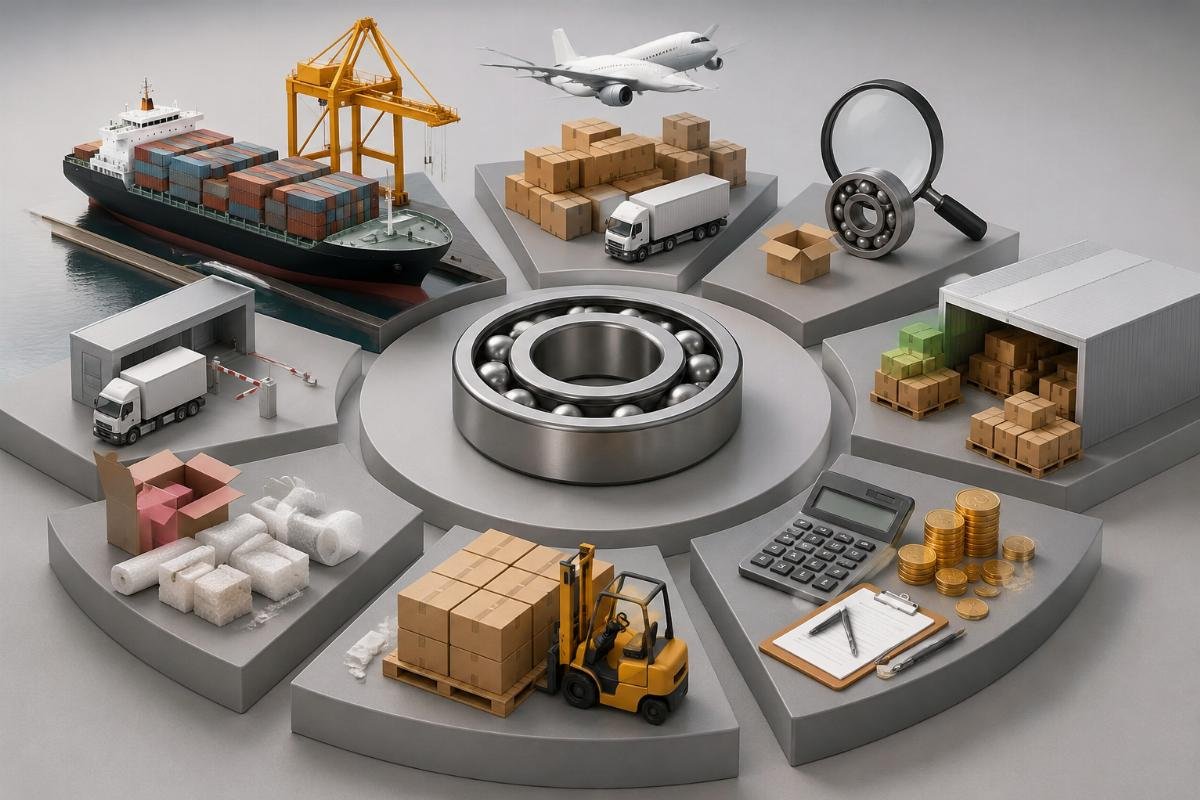
- End-to-End Quoting – Require all suppliers to provide a full landed cost quote that includes all handling, inspection and clearance fees.
- Filings Consolidation – Ensure all SKUs from a single order are filed under a single customs declaration to avoid per- SKU surcharges.
- Inspection Bundling – Confirm that pre-shipment inspection is included as part of standard supplier processing with no additional upcharge.
Conclusion
The biggest mistake bearing importers make is treating landed cost as a simple extension of per-unit supplier pricing, rather than a system of interconnected cost drivers that can be optimized independently.
You do not need to sacrifice quality or extend lead times to cut total landed cost, and even small adjustments to freight structuring and classification can deliver savings that are exponentially larger than the 5-10% discounts most teams fight to negotiate on unit pricing. The most consistent results come from working with a supplier that already has pre-built consolidation routes and classification expertise for your target market, eliminating the need for you to build and manage these processes in-house. [NEED_CITE: International Trade Administration tariff classification guidelines confirm that accurate sub-category filing is the single highest impact step for reducing bearing import duty costs]