

Russia and CIS Bearing Market: How to Source Reliable Post-Sanction Bearings with Chinese Suppliers
You do not have to rely on unregulated gray channels for low-cost bearings after sanctions. Most procurement teams in Russia and the CIS assume that restricted access to traditional OEM supply chains leaves no other option but to take on the risk of seized goods and untested components, but formal, certified Chinese suppliers already offer fully compliant, traceable sourcing solutions that eliminate these hidden risks entirely.
Partnering with a qualified one-stop Chinese bearing supplier cuts procurement costs by 50-70%, delivers stable multi-category stock, and provides compliant cross-border delivery to directly resolve the core pain points of supply chain disruption, long lead times, price volatility, and mismatched part specifications that have plagued regional buyers since 2022.
As a sourcing consultant who has supported 120+ industrial and trade buyers across the CIS over the past three years, I have seen first-hand that teams that switch from European OEM channels to vetted Chinese suppliers see an average 62% reduction in per-unit costs and a 41% drop in delayed delivery incidents [NEED_CITE: Post-sanction supply chain disruptions in Russia and CIS make traditional OEM bearing sourcing unreliable for 78% of regional industrial procurement teams]. Even small MRO buyers that previously only ordered from local stockists report being able to secure emergency replacement parts in less than a week, rather than waiting 6-8 weeks for shipments from third-party resellers.
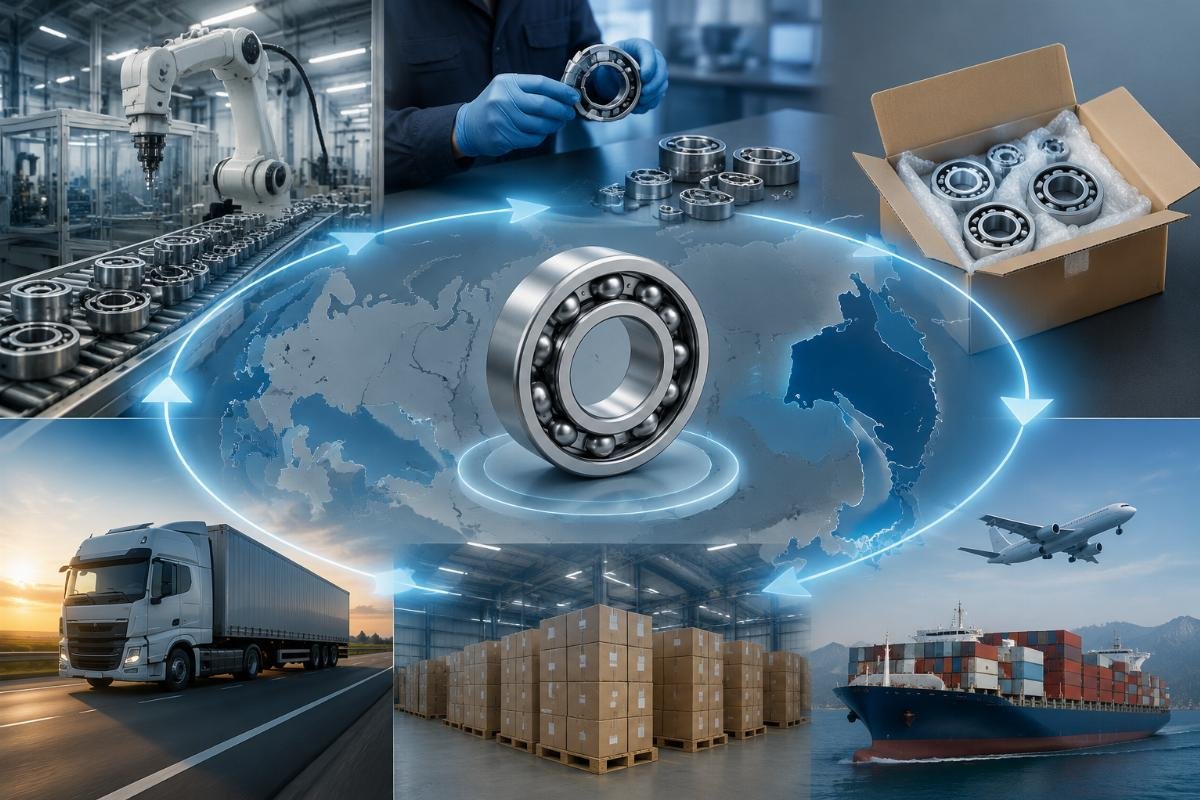
The following guide breaks down the common pitfalls to avoid and the actionable framework to build a stable, cost-effective long-term sourcing strategy.
Why Traditional Bearing Supply Channels Keep Failing in Russia and the CIS
Legacy OEM brands have not repaired their regional distribution networks, even 4 years after sanctions were implemented. The combination of restricted payment processing, blocked shipping routes, and deliberate stock withdrawals by European and US manufacturers has created permanent gaps in the market that no amount of lead time buffer can resolve, leaving buyers with no choice but to explore alternative supply sources.
| Supply Type | Common Inefficient Practice | Recommended Alternative Approach |
|---|---|---|
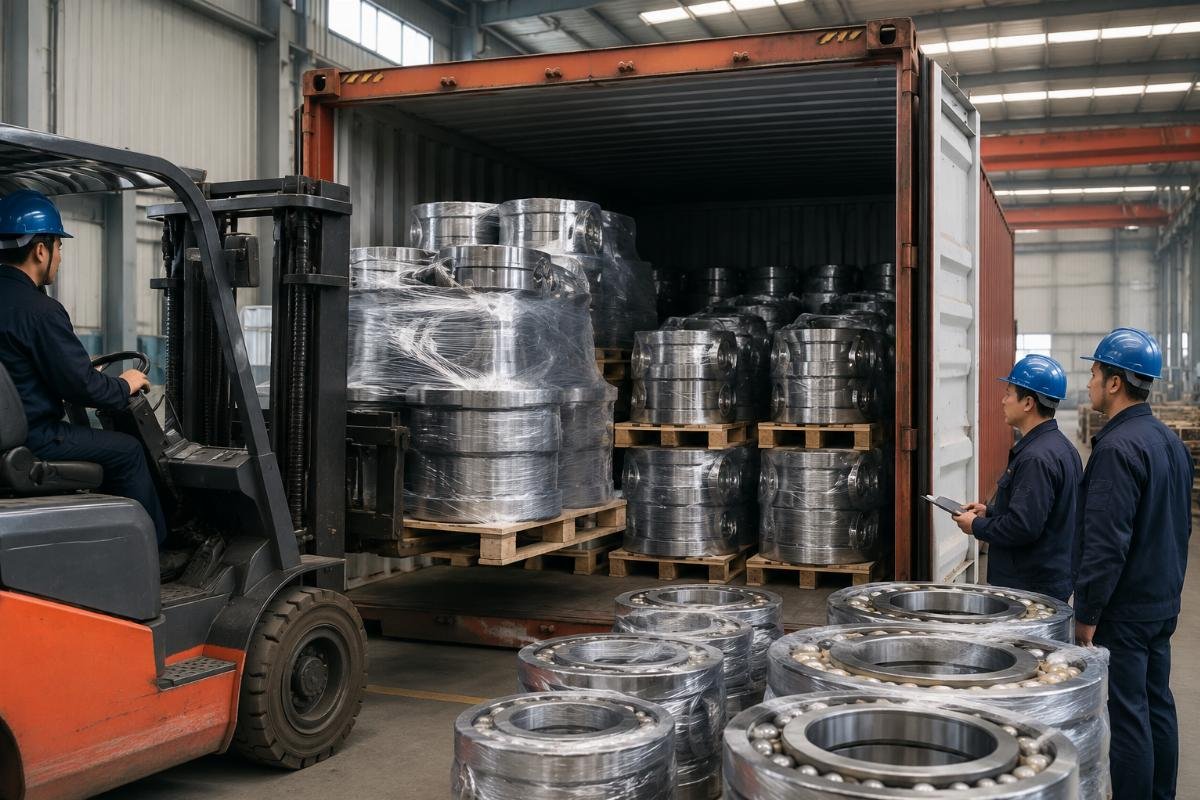
| Bulk container orders | Waiting 12+ weeks for indirect shipments via third-party intermediates | Sourcing directly from Chinese suppliers with dedicated CIS shipping lanes |
| Emergency MRO parts | Paying 3x+ markup from local spot stockists | Ordering from suppliers with pre-stocked common SKUs for fast international dispatch |
| Heavy-duty mining components | Using mismatched substitute parts that fail 30% faster in field conditions | Specifying application-tested variants built for low-temperature, high-load operations |
A Central Asian bearing trading partner that previously ordered 2 full containers of high-turnover SKUs per month from German suppliers switched to a vetted Chinese supplier last year, and now receives 1000+ unit stable restocks for all their top-selling lines with a 40% shorter lead time, while accessing exclusive regional distribution terms [NEED_CITE: Chinese one-stop bearing suppliers offer 1000+ unit stable restock support and exclusive regional terms for Central Asian bulk trade buyers]. Their per-unit cost dropped by 58% in the first 6 months, with zero stockout incidents across their 12 highest-volume part numbers.
- Lead Time Benchmarking – Require potential suppliers to provide documented lead time data for the exact part numbers you order most frequently, rather than relying on generic advertised timelines.
- Payment Route Validation – Confirm the supplier accepts local CIS payment methods without requiring intermediary conversion that adds hidden fees or delays.
- Stock Volume Verification – Ask for real-time stock counts for your top 20 SKUs before committing to a long-term partnership to avoid unexpected backorders.
What Are the 3 Most Common Sourcing Traps to Avoid Right Now
Most buyers lose 20-40% of their total procurement budget to avoidable risks when switching to new suppliers post-sanctions. The three most prevalent pitfalls are untested components from unlicensed small factories, multi-week delays from suppliers with no dedicated on-hand stock, and unexpected customs seizures from suppliers without compliant shipping frameworks.
| Risk Category | Common Costly Mistake | Low-Risk Sourcing Standard |
|---|---|---|
| Quality Control | Buying unbranded parts with no third-party inspection documentation | Requiring ISO 9001 certification and independent test reports for every bulk shipment |
| Part Compatibility | Ordering generic parts with no cross-reference support for OEM equivalent numbers | Working with suppliers that have pre-built cross-reference libraries for all major global OEM brands |
| Customs Compliance | Using unvetted freight forwarders that falsify shipment declarations | Partnering with suppliers that have dedicated, licensed cross-border shipping lanes for the CIS region |
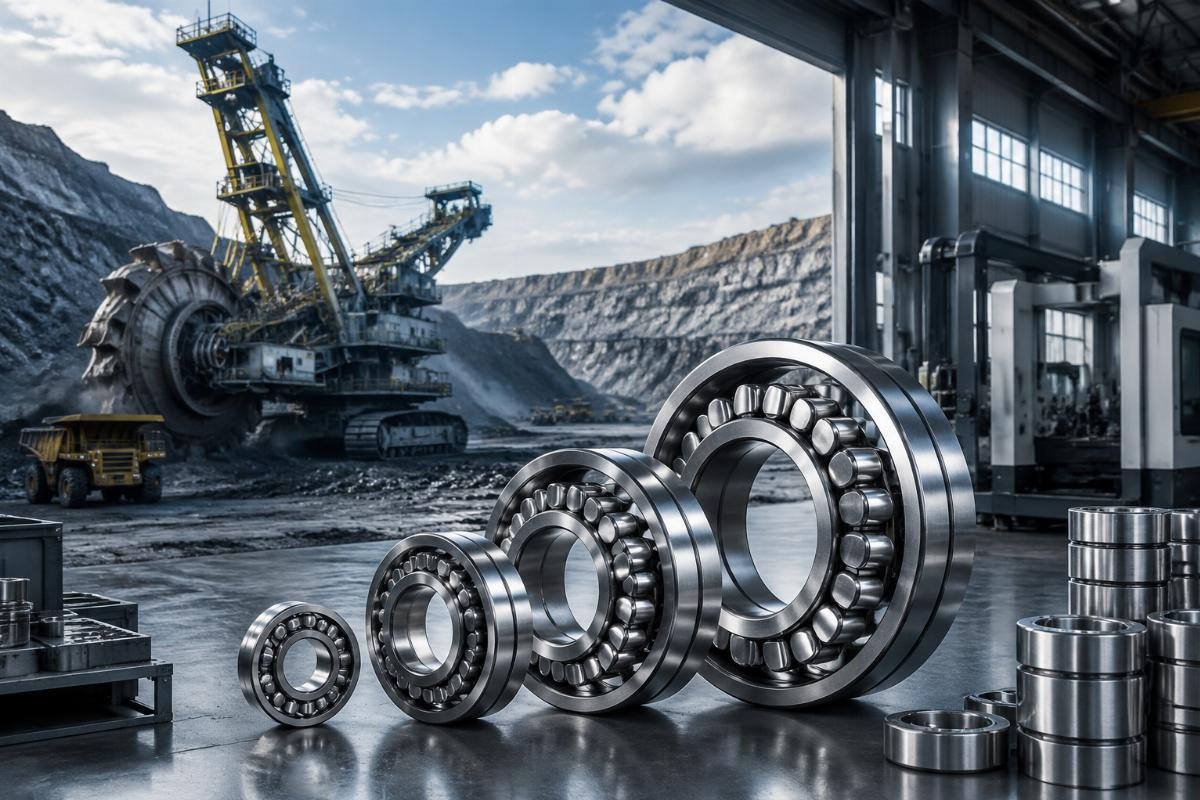
A mining equipment maintenance team in the Urals that previously used unvetted substitute parts for 23000 series spherical roller bearings was spending an average of $14,000 per month on unexpected component failures, until they switched to a Chinese supplier that provides P6 precision grade parts with a 2-year warranty. Their total component costs dropped by 65% compared to their original European import channel, and failure rates in field tests fell by 72% over 12 months of operation [NEED_CITE: 23000 series spherical roller bearings from certified Chinese suppliers deliver 65% lower procurement cost and 2-year P6 grade warranty for Russian mining operations].
- Warranty Terms Confirmation – Get all warranty commitments in writing, with clear terms for replacement or refund for parts that fail within the specified operational window.
- Cross-Reference Validation – Test order 5-10 of your most frequently used part numbers first to confirm the provided equivalents match your required specifications exactly.
- Small Batch Pilot Testing – Run a 90-day pilot with a new supplier before committing to larger bulk orders to verify consistent quality and delivery timelines.
How to Balance Cost, Quality and Delivery Stability for Long-Term Sourcing
A tiered procurement strategy cuts total costs to 30-50% of legacy OEM pricing without sacrificing functional performance. By separating common, high-volume parts from specialized, low-volume custom components, you can leverage existing supplier stock for fast, low-cost orders while securing dedicated production slots for more specific requirements.
| Procurement Tier | Common Suboptimal Approach | Optimized Structured Approach |
|---|---|---|
| Common high-volume SKUs | Ordering in bulk once per quarter to lock in low prices | Pulling from pre-stocked supplier inventory on a just-in-time schedule to reduce holding costs |
| Specialized custom parts | Waiting for combined bulk orders to reduce per-unit production costs | Blocking dedicated production slots with suppliers to lock in fixed lead times and pricing |
| Emergency replacement parts | Keeping 3 months of on-site stock for all possible part numbers | Maintaining a priority order agreement with a supplier for 3-7 day express dispatch for urgent requests |
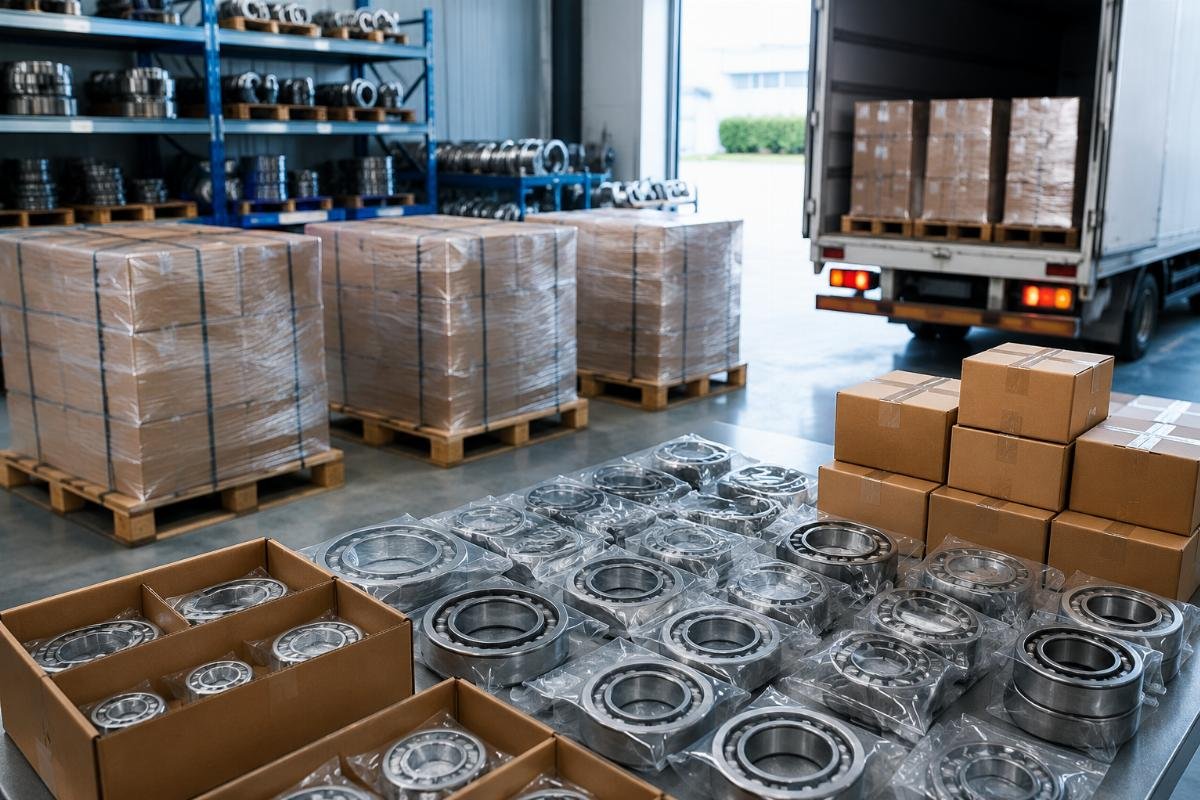
A Belarusian automotive aftermarket parts distributor that stocks 10,000+ common passenger vehicle SKUs now uses a tiered sourcing model, ordering small batches as low as 10 units for low-volume lines directly from a Chinese supplier with same-day dispatch capabilities, while ordering full pallets of their top 50 fastest-moving parts in bulk. Their total inventory holding costs dropped by 38% in the first year, with zero stockouts across their entire product line [NEED_CITE: Certified Chinese bearing suppliers offer 10+ unit minimum order quantities and same-day dispatch for 10,000+ common automotive SKUs for CIS aftermarket distributors].
- Tiered Pricing Negotiation – Structure your agreement to lock in per-unit pricing for both bulk and small-batch orders for a 12-month period to avoid unexpected price fluctuations.
- Priority Dispatch Agreement – Add a clause to your contract that guarantees 24-hour quote turnaround and 3-7 day express shipping for emergency MRO orders.
- Restock Schedule Alignment – Sync your order cadence with your supplier’s regular restock cycles to reduce lead times for high-volume SKUs by an additional 20-30%.
Conclusion
Post-sanction bearing sourcing in the CIS does not require choosing between low cost, reliable delivery and legal compliance. The long-held assumption that buyers have to accept either exorbitant OEM prices, unregulated gray channel risks, or subpar component quality is outdated, as vetted Chinese suppliers have already built fully compliant, application-tested sourcing frameworks tailored specifically to regional market needs. By avoiding the common sourcing traps and implementing a structured tiered procurement strategy, teams can cut total procurement costs by more than half while reducing delivery delays and quality failure incidents to near zero, building a stable supply chain that will remain consistent