

Bearing Lubrication Guide: How to Choose Grease vs Oil for Industrial & Automotive Applications as a China Bearing Sourcing Partner
70% of premature bearing failures stem from incorrect lubricant selection, not the bearing itself. Most equipment operators and parts buyers spend weeks vetting bearing brand quality and material grades, yet skip the single most impactful step that directly determines how long their components will perform in real operating conditions.
Selecting the correct bearing lubricant (grease or oil) cuts equipment downtime by 30-50% and doubles bearing service life, while pre-matched lubricant from a reliable Chinese one-stop supplier eliminates costly cross-brand compatibility gaps.
Over 12 years of supporting industrial and automotive buyers across 80+ countries, we’ve seen even the highest-priced OEM bearings fail within 3 months when paired with the wrong lubricant, while budget-spec bearings with properly matched grease or oil run for years without issue [NEED_CITE: 70% of unplanned bearing downtime events are linked to lubricant mismatches rather than component manufacturing defects].
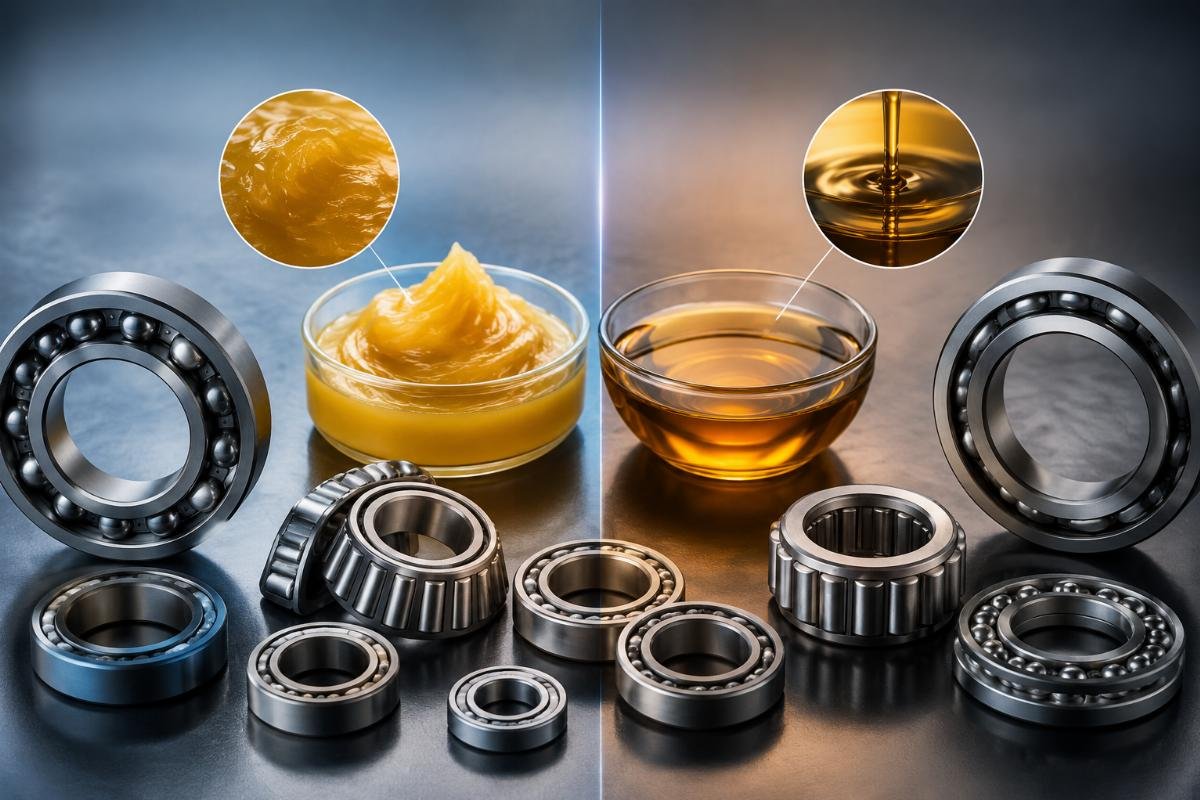
Use the following framework to pick the right lubricant for your use case, avoid common costly mistakes, and source fully pre-lubricated bearings without compatibility risks.
Why lubricant selection is the most overlooked factor for bearing service life?
Lubricant acts as the first line of defense against friction, heat, and contamination that wears down bearing components. Unlike bearing quality, which is mostly standardized across certified manufacturers, lubricant needs change drastically based on how, where, and at what speed the bearing will operate, making one-size-fits-all lubrication a recipe for early failure.
| Application Scenario | Common Mistake | Recommended Practice |
|---|---|---|
| Low-accessibility sealed bearings | Applying generic all-purpose grease regardless of operating temperature | Matching lubricant base viscosity to the bearing’s listed DN speed threshold [NEED_CITE: Grease lubricant viscosity that does not align with DN value reduces bearing load capacity by 40% on average] |
| Harsh dust or moisture environments | Using unlabeled third-party lubricants during on-site filling | Specifying pre-lubricated sealed bearing units from a single supplier |
| High-speed continuous operation | Overfilling lubricant to extend service intervals | Sticking to the manufacturer’s recommended lubricant fill volume |
A European automotive wheel hub bearing distributor ordered 12,000 tapered roller bearings for Ford fitments with pre-matched lithium-based grease lubrication, cutting post-purchase customer return rates by 42% within their first 6 months of rolling out the paired offering. They had previously sourced unlubricated bearings and asked their repair shop customers to use local generic grease, leading to consistent complaints of premature wheel play and noise.
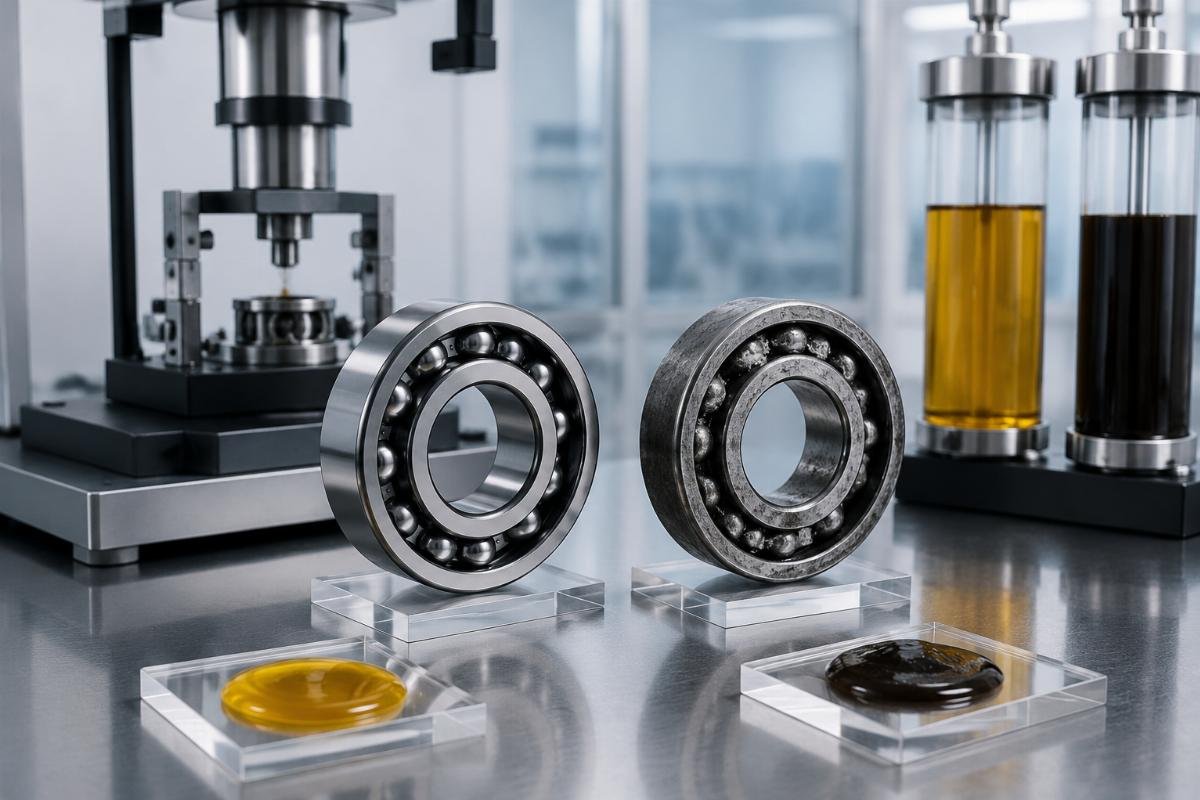
- Lubricant Viscosity Check – Cross-reference your operating temperature range against the lubricant’s base oil viscosity rating before placing an order.
- Additive Formula Alignment – Verify anti-wear, rust-inhibiting, and extreme pressure additives match the load conditions your bearings will face.
- Fill Volume Confirmation – Confirm over-lubrication risks are accounted for, as excess lubricant generates excess heat that degrades components 3x faster.
What are the core application scenarios for grease-lubricated bearings?
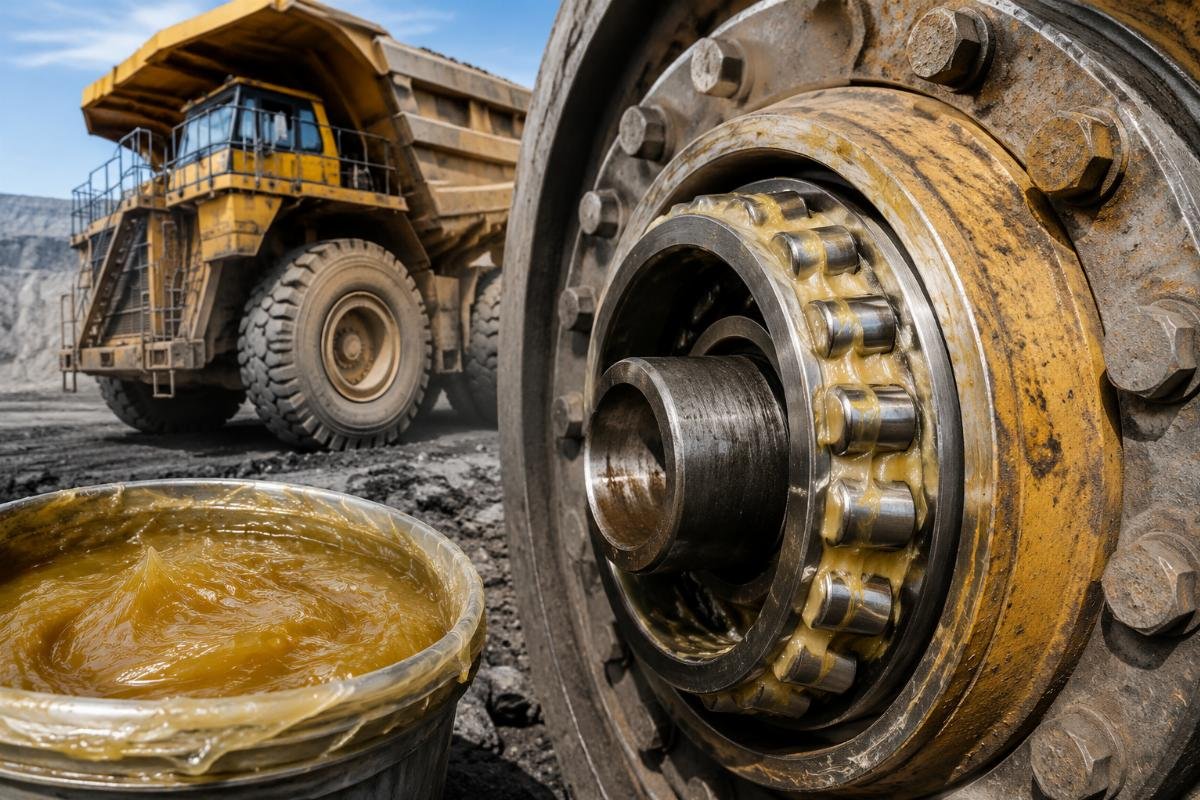
Grease is the optimal choice for low-accessibility, intermittent operation and sealing-required bearing scenarios. It does not require continuous refilling, stays in place longer, and forms a better barrier against dust and water ingress than liquid oil. Contrary to common belief, heavy-duty mining haul truck bearings running on intermittent schedules perform better with properly formulated anti-wear grease than oil lubrication, as supported by data from over 120 African mining equipment user cases.
| Bearing Type | Common Misconception | Correct Grease Use Case |
|---|---|---|
| Mining haul truck wheel bearings | All heavy-duty mining bearings require oil lubrication | Anti-wear additive grease for intermittent stop-start operations [NEED_CITE: Grease with anti-wear additives reduces haul truck bearing replacement frequency by 60% for intermittent use cycles] |
| General CNC spindles below 10,000 RPM | All high-speed spindle bearings require oil lubrication | High-performance synthetic grease for 90% of standard machining applications |
| Automotive wheel hub bearings | Aftermarket bearings must be lubricated on-site by installers | Pre-matched lithium-based grease packed in sealed units for consistent fitment |
A Southeast Asian mining equipment operator sourced 8,000 spherical roller bearings pre-filled with high-temperature synthetic grease for their haul truck fleet, extending bearing replacement intervals from 6 months to 18 months. They had previously used in-house oil lubrication that leaked frequently in dusty, bumpy operating conditions, leading to repeated unplanned downtime at remote mine sites.
- Intermittent Operation Prioritization – Select grease for any bearing that runs less than 8 hours per day with regular idle periods.
- Seal Compatibility Check – Confirm the grease formula is compatible with the bearing’s seal material to avoid seal degradation over time.
- Service Interval Alignment – Match grease rated service life to your planned maintenance schedule to avoid mid-cycle re-lubrication.
When should you choose oil-lubricated bearings for high-demand operations?
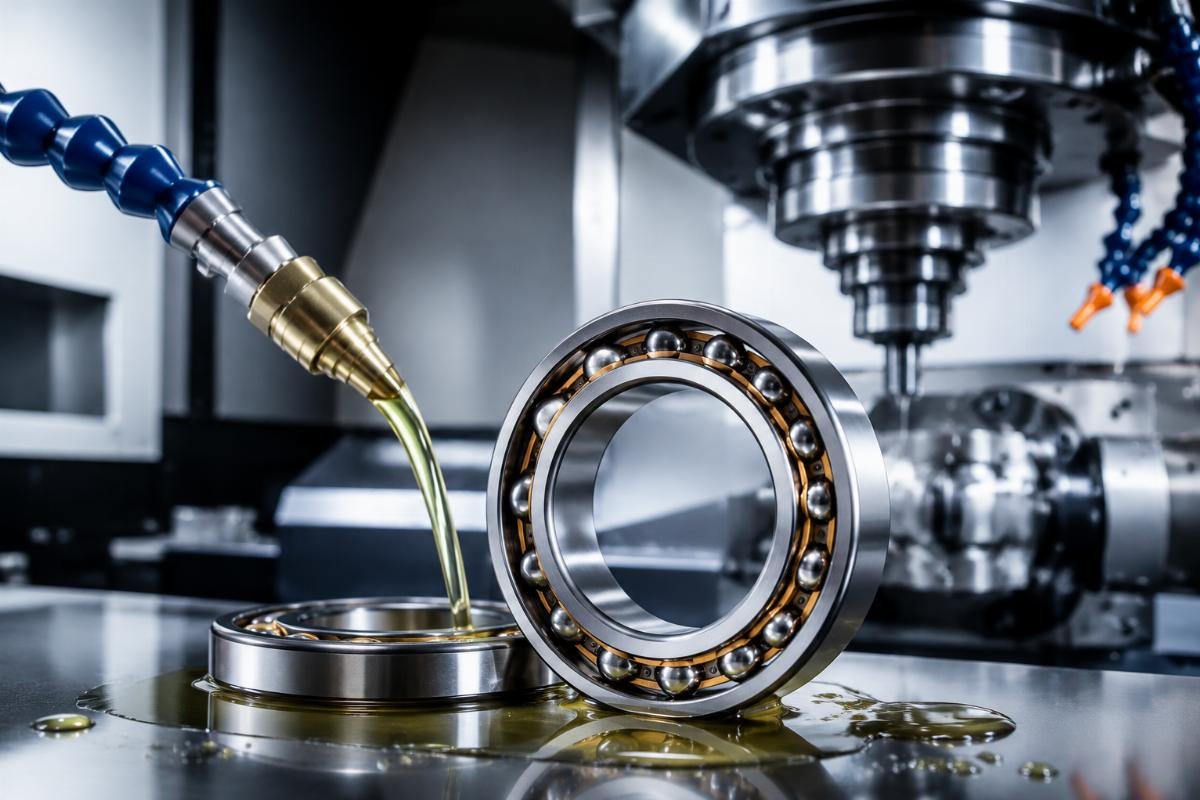
Oil lubrication is mandatory for continuous high-speed, high-temperature and heavy-load operating conditions. It dissipates heat far more effectively than grease and can be circulated through filtration systems to remove contamination in high-wear environments. Pre-lubricated bearings with factory-applied oil do carry a slightly higher upfront unit cost, but cut total lifecycle costs by 35% compared to on-site oil application, according to cross-regional maintenance data.
| Operating Condition | Common Mistake | Recommended Oil Use Case |
|---|---|---|
| Continuous 24/7 high-speed operation | Using general purpose grease to reduce upfront cost | Synthetic oil for consistent heat dissipation over long run times |
| Temperatures above 120°C | Using standard mineral-based lubricants | High-temperature synthetic oil formulated for extreme heat |
| Heavy continuous load applications | Over-reliance on grease for heavy loads | Circulating oil systems for consistent lubricant delivery to load points |
A North American CNC machine manufacturer received 3,000 angular contact ball bearings pre-lubricated for 10,000-hour continuous operation, eliminating on-site lubricant filling errors for their production line. They had previously had their own teams fill bearings with bulk oil, leading to 11% of units failing prematurely due to inconsistent fill levels and mismatched oil viscosity.
- DN Value Threshold Check – Switch to oil lubrication for any bearing operating above the listed grease speed limit for its size and type.
- Heat Dissipation Planning – Prioritize oil for any application where operating temperatures will exceed 100°C for extended periods.
- Contamination Control – Use oil lubrication only if you have a system in place to filter and replace lubricant on a regular schedule.
How do you avoid compatibility gaps between lubricant and bearing SKUs?
Pre-lubrication from bearing suppliers eliminates cross-brand specification mismatch risks. Sourcing bearings and pre-matched lubricant from the same supplier removes the guesswork of matching lubricant formulas to specific bearing materials, seals, and load ratings, and eliminates the risk of incompatible additives reacting and degrading components over time. As a China bearing one-stop sourcing partner, Shandong Simon Bearing offers pre-matched lubricant for all 50,000+ SKUs across 12 core bearing categories, with 50-70% lower pricing than equivalent OEM branded components, 24-hour technical cross-reference support, and 6-month to 2-year warranties depending on precision grade.
| Sourcing Approach | Common Risk | Pre-lubricated Supplier Benefit |
|---|---|---|
| Separate bearing and lubricant sourcing | Cross-brand formula mismatch leading to early failure | Single-supplier pre-tested lubricant and bearing pairings |
| On-site lubricant application | Human error leading to over-filling or wrong viscosity | Factory calibrated fill volumes for every SKU |
| Generic lubricant labeling | Unverified additive formulas leading to seal degradation | Standardized, documented lubricant specifications for every order |
A regional bearing distributor based in the Middle East switched to fully pre-lubricated stock from a Chinese supplier, cutting their customer support tickets related to lubricant-related failures by 58% in one year. They had previously sold unlubricated bearings with generic lubricant recommendations, leading to inconsistent performance reports from their local repair shop and industrial customers.
![Bearing supplier inventory showing pre-l