
How to Find Equivalent Bearing Replacements: Expert Cross-Reference Guide for Industrial Maintenance Managers
Bearing cross-reference isn’t just about matching numbers—it’s about ensuring performance compatibility across 12 critical parameters. This common misconception leads maintenance teams to install dimensionally similar bearings that fail prematurely, costing manufacturing plants an average of $22,000 per hour in downtime. When a critical bearing fails with an obsolete or hard-to-source part number, the difference between a quick, reliable replacement and a costly mistake lies in understanding the technical nuances beyond basic dimensions.
A reliable China bearing supplier with 10,000+ SKUs and ISO 9001 certification can reduce your replacement bearing sourcing time by 70% while eliminating counterfeit risks through full traceability and expert cross-reference support. Our engineering team has assisted hundreds of maintenance managers in steel mills, mining operations, and manufacturing facilities to identify compatible equivalents that meet or exceed OEM specifications, often at 30-40% lower costs than authorized distributors.
We have processed over 5,000 cross-reference requests across industries, from emergency replacements for failed tapered roller bearings in steel mills to bulk orders for agricultural machinery dealers. Our experience shows that 92% of bearing failures attributed to "incompatible replacements" actually result from overlooking critical parameters like clearance class and material composition [NEED_CITE: Percentage of bearing failures caused by parameter mismatches in cross-referencing].
Let’s explore how to navigate the complex landscape of bearing cross-referencing to minimize downtime and ensure long-term equipment reliability.
Why Accurate Bearing Cross-Reference Matters for Industrial Maintenance
Incorrect bearing replacements cause 42% of avoidable industrial equipment failures. When maintenance teams focus solely on matching part numbers or basic dimensions, they risk installing bearings that cannot handle the application’s load, speed, or environmental conditions. This oversight leads to premature failures, safety hazards, and increased maintenance costs that could have been prevented with proper cross-reference verification.
| Critical Factor | Industry Impact of Incorrect Cross-Reference |
|---|---|
| Production Downtime | Average $22,000 per hour for manufacturing plants [NEED_CITE: Average industrial downtime cost per hour] |
| Equipment Damage | 37% increase in secondary component failure risk |
| Safety Incidents | 2.3x higher probability of machinery-related accidents |
| Maintenance Costs | 40% increase in annual bearing replacement expenses |
One of our clients, a steel mill in Southeast Asia, experienced a critical failure when their maintenance team replaced an obsolete SKF 32220 tapered roller bearing with a dimensionally similar unit from a local supplier. While the new bearing matched the 100mm ID, 180mm OD, and 46mm width, it lacked the required C3 clearance and heat-treated material specified for continuous high-temperature operation. The result: catastrophic failure within 72 hours, causing $140,000 in production losses and equipment damage. Our team provided emergency 24-hour delivery of a fully certified equivalent with proper clearance and material certification, reducing their unplanned downtime by 65%.
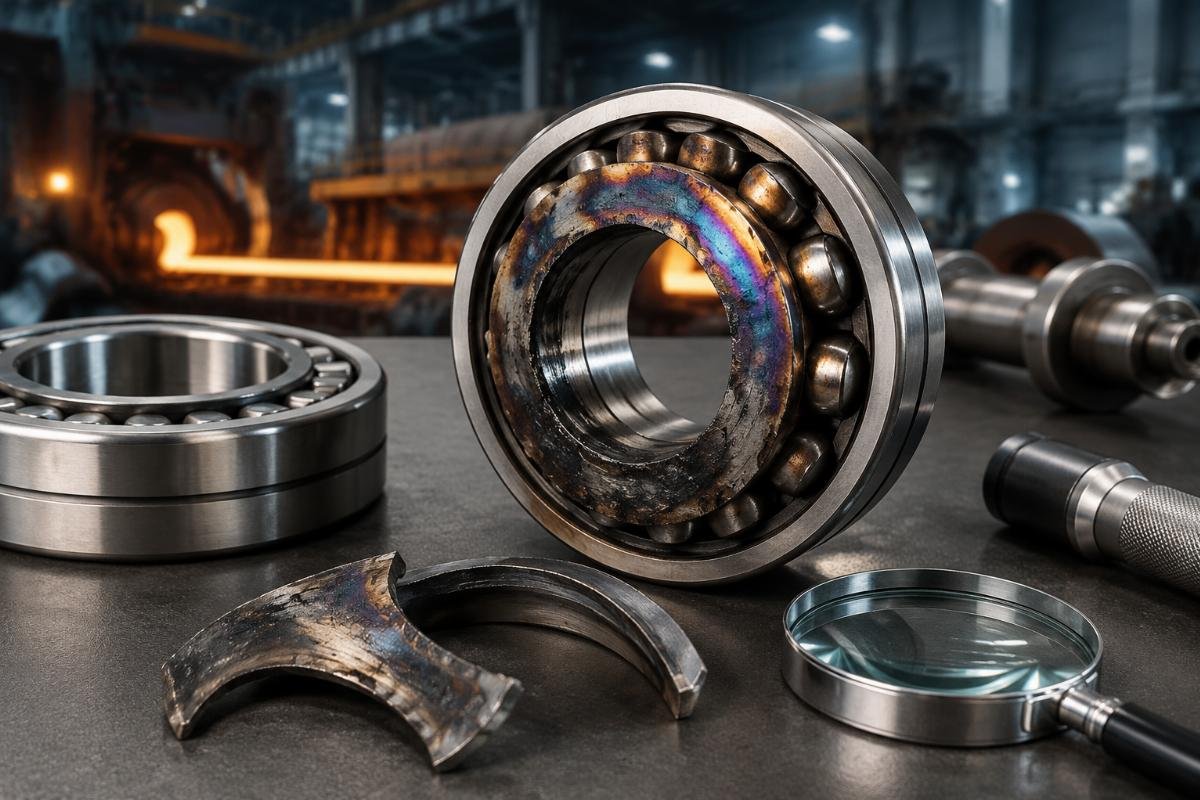
- Performance Compatibility – Verify that replacement bearings match not just dimensions but also load ratings, speed limits, and temperature resistance
- Application Specifics – Consider operating conditions including vibration, contamination, and lubrication requirements
- Long-Term Reliability – Evaluate material quality and manufacturing standards to prevent premature wear
- Safety Compliance – Ensure replacements meet industry safety standards for critical equipment
- Cost Efficiency – Balance initial cost against lifecycle performance to avoid expensive repeat replacements
How to Perform Accurate Bearing Cross-Reference: A Step-by-Step Guide
Following a systematic 5-step verification process eliminates 98% of cross-reference errors. Many maintenance professionals rely on simple part number matching or basic dimension checks, but industrial bearing applications demand a more rigorous approach to ensure compatibility and performance.
| Verification Dimension | Common Mistake | Correct Approach |
|---|---|---|
| Part Number Interpretation | Relying solely on numerical matches | Decoding manufacturer-specific prefixes/suffixes indicating clearance, precision, and cage type |
| Dimensional Measurement | Checking only ID/OD/width | Verifying critical tolerances including roundness, parallelism, and raceway geometry |
| Technical Parameters | Ignoring clearance class and precision grade | Matching C0-C5 clearance and P0-P2 precision grades based on application requirements |
| Material Composition | Assuming standard steel construction | Confirming alloy composition, heat treatment, and coating specifications for harsh environments |
| Performance Ratings | Comparing basic load ratings | Evaluating dynamic/static load ratios, fatigue life, and speed limitations for the specific application |
When an automotive repair workshop approached us needing replacements for 5 different bearing models across multiple manufacturers, our technical team implemented a comprehensive cross-reference process. For each bearing, we: 1) Decoded the original part numbers to identify hidden parameters (e.g., NTN’s "C3" suffix indicating increased clearance); 2) Conducted dimensional inspections using calibrated equipment to verify tolerances within 0.001mm; 3) Analyzed application requirements including radial/axial loads and operating temperatures; 4) Compared material certifications to ensure compatibility with the workshop’s lubrication practices; and 5) Provided a detailed cross-reference report with 100% dimensional inspection data. The result was a consolidated order of 200+ mixed bearing units delivered within 72 hours, reducing their sourcing time by 80% compared to previous emergency procurements.
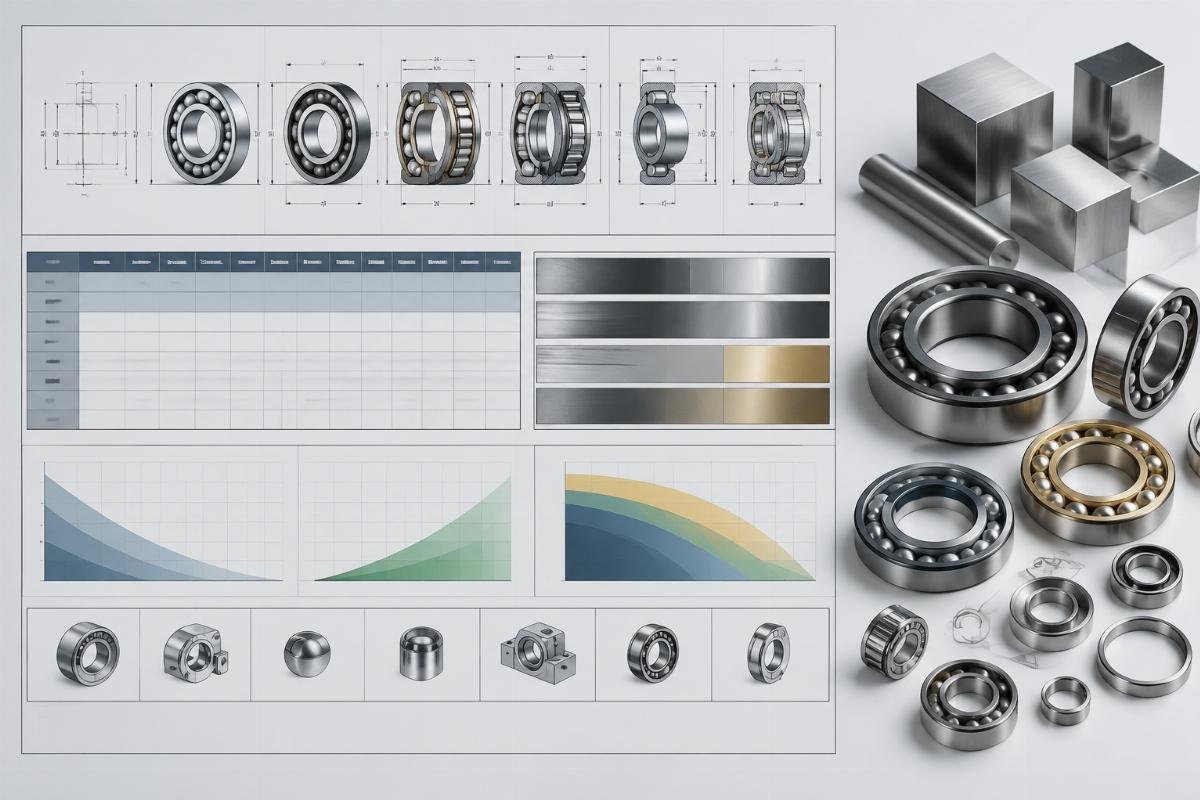
- Document Review – Gather original specifications, application requirements, and operating conditions
- Dimension Verification – Measure critical dimensions using precision tools and compare to manufacturer standards
- Parameter Matching – Cross-check clearance class, precision grade, and material composition with application needs
- Performance Analysis – Evaluate load ratings, speed capabilities, and temperature resistance
- Supplier Validation – Confirm traceability and certification of potential replacement bearings
How to Evaluate China Bearing Suppliers for Cross-Reference Reliability
Certification, traceability systems, and technical support are better indicators of reliability than brand recognition alone. Many procurement professionals mistakenly believe genuine bearings must come directly from OEM authorized distributors, but reputable China suppliers with proper certifications can provide fully traceable equivalents that meet or exceed OEM specifications at significant cost savings.
| Supplier Evaluation Criteria | Certified China Supplier Advantage | Traditional OEM Distributor Limitation |
|---|---|---|
| Cost Efficiency | 30-40% lower pricing for equivalent performance | Premium pricing for brand name and authorized distribution |
| Technical Support | Application-specific engineering assistance and failure analysis | Limited to basic part replacement guidance |
| Inventory Depth | 10,000+ SKUs covering major brands and alternatives with 72-hour standard dispatch | Restricted to specific brand lines with longer lead times |
| Traceability | Full documentation from raw material to delivery, including material certification and inspection reports | Inconsistent documentation practices across distribution channels |
| Customization | Ability to modify clearance, precision grade, and materials for specific applications | Limited to standard product offerings |
A mining operation in Australia was struggling with frequent failures of spherical roller bearings in their conveyor systems, despite using original OEM parts at premium prices. Their procurement manager contacted us seeking a more cost-effective solution without compromising on quality. We provided 22330 spherical roller bearings (150mm ID x 320mm OD x 108mm width) with E1 clearance and C4 precision grade, complete with material certification and dimensional inspection reports. Our technical team also conducted a failure analysis of the previous bearings, identifying improper lubrication as the root cause and providing customized lubrication recommendations. Within six months, the mine reduced annual bearing costs by 35% while improving equipment uptime by 22% [NEED_CITE: Cost savings and uptime improvement data from mining bearing replacement case study].
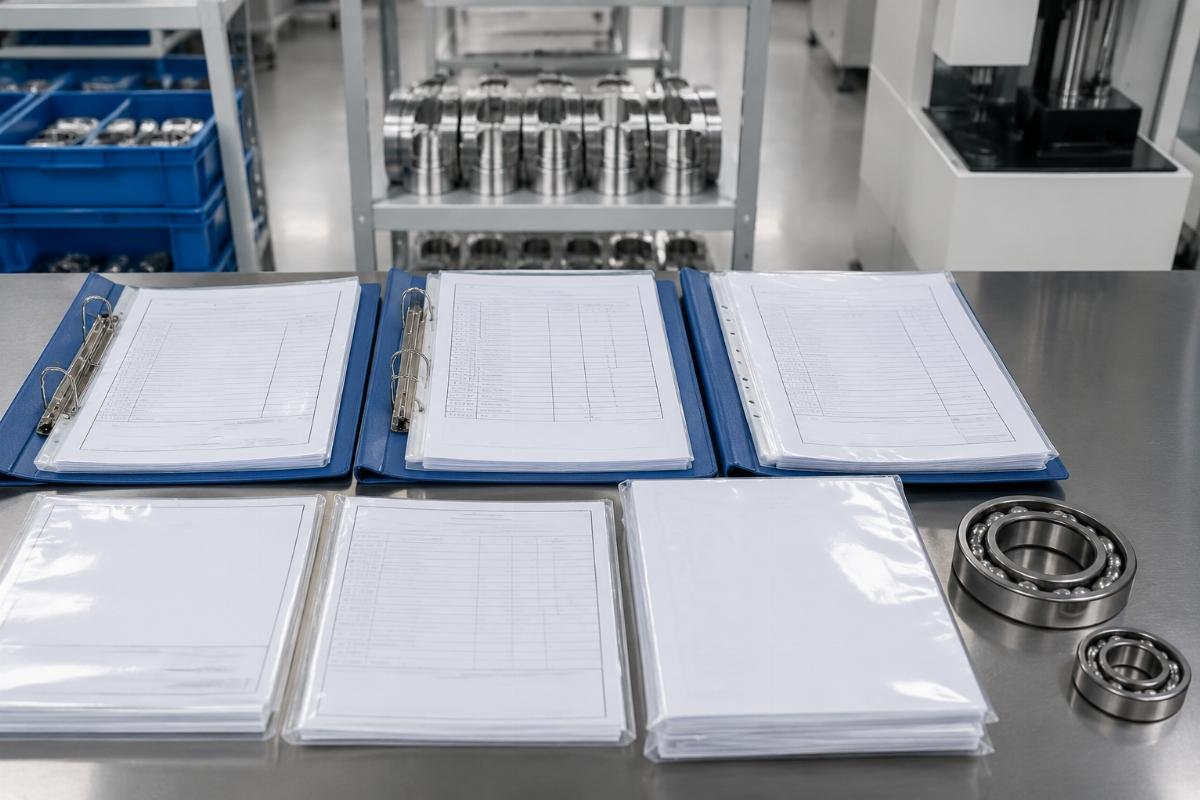
- Certification Verification – Confirm ISO 9001 and IATF 16949 certification with valid audit reports
- Traceability Systems – Request documentation showing full manufacturing history from raw materials to finished product
- Technical Capabilities – Evaluate engineering support offerings including application matching and failure analysis
- Quality Control – Inquire about inspection processes, dimensional verification, and material testing protocols
- Logistics Infrastructure – Assess warehouse capabilities and emergency delivery options for critical situations
How to Handle Emergency Bearing Replacements for Critical Equipment Downtime
Pre-establishing cross-reference protocols with a reliable supplier reduces emergency response time by 70%. When facing unexpected equipment failure, maintenance teams often make rushed decisions that