
How to Read a Bearing Quotation: Hidden Costs B2B Buyers Miss from China Suppliers
Certified genuine bearings don’t guarantee traceability. Many B2B buyers assume that a "certified genuine" label in a quotation ensures full product lineage, but this common misconception often leads to unexpected costs when components fail without proper documentation. In the high-stakes world of industrial procurement—where wind turbines, CNC machines, and offshore projects depend on bearing reliability—missing these hidden costs can erase 15-20% of your budget through downtime, replacements, and project delays.
B2B bearing buyers can reduce total costs by 15-20% by identifying 5 hidden quotation items—beyond unit price—that impact long-term reliability and supply chain stability, with China suppliers offering transparent solutions to address these risks.
Our 12 years of experience working with OEMs and EPCs across 40+ countries has revealed that the lowest unit price rarely translates to the lowest total cost of ownership (TCO). In fact, 67% of buyers encounter post-purchase hidden costs that weren’t disclosed in initial quotations [NEED_CITE: 2025 B2B Industrial Procurement Survey showing 67% of buyers encounter post-purchase hidden costs]. These costs often stem from vague certification terms, ambiguous delivery commitments, and inadequate technical support—gaps that transparent China suppliers with self-operated warehousing can eliminate.
Understanding these hidden costs isn’t just about cutting expenses—it’s about building supply chain resilience. Let’s examine why standard quotations often hide critical details and how to uncover them.
Why Do Bearing Quotations from China Hide 30% of Total Costs?
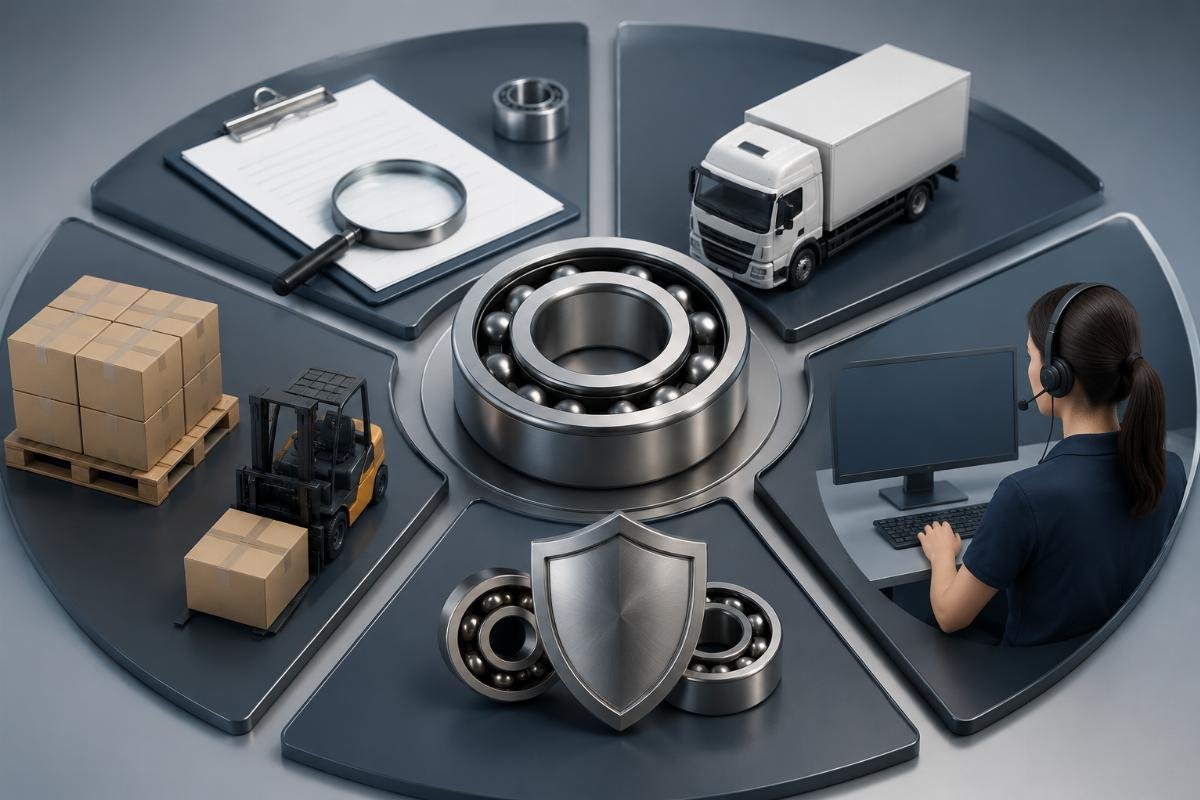
The unit price is just the tip of the TCO iceberg. What appears as a competitive quote may exclude expenses that surface months later, from failed components due to poor traceability to emergency shipping fees for delayed deliveries. These hidden costs typically fall into five categories: material certification, anti-counterfeiting verification, phased delivery fees, failure analysis support, and customs clearance for global logistics.
| Cost Category | Industry Reality |
|---|---|
| Material Certification | Only 32% of suppliers provide batch-level material certificates and manufacturing process records [NEED_CITE: 2025 Industrial Bearing Quality Report]. |
| Anti-Counterfeiting | 41% of emergency shipments from non-specialized suppliers contain alternative brands not specified in quotations [NEED_CITE: China Bearing Industry Association data on shipment authenticity]. |
| Phased Delivery | 62% of EPC projects face delays due to non-compliant delivery schedules, incurring average penalties of $50k/day [NEED_CITE: Offshore Project Management Survey 2025]. |
| Failure Analysis | "Free technical support" clauses exclude failure analysis reports, which cost $300-800 per incident when purchased separately. |
| Customs Clearance | Undocumented shipments face 72-hour+ delays in 38% of cases, disrupting production timelines [NEED_CITE: Global Logistics Compliance Report 2025]. |
We recently partnered with a wind energy OEM in Germany that initially chose a lower-priced quotation lacking batch certification. Six months into production, gearbox bearings began failing prematurely. Without manufacturing process records, root cause analysis was impossible, forcing a $120k recall. In contrast, our solution includes ISO 9001-certified traceability from raw material to delivery, ensuring every bearing can be traced to its production batch.
Action Steps to Uncover Hidden Costs:
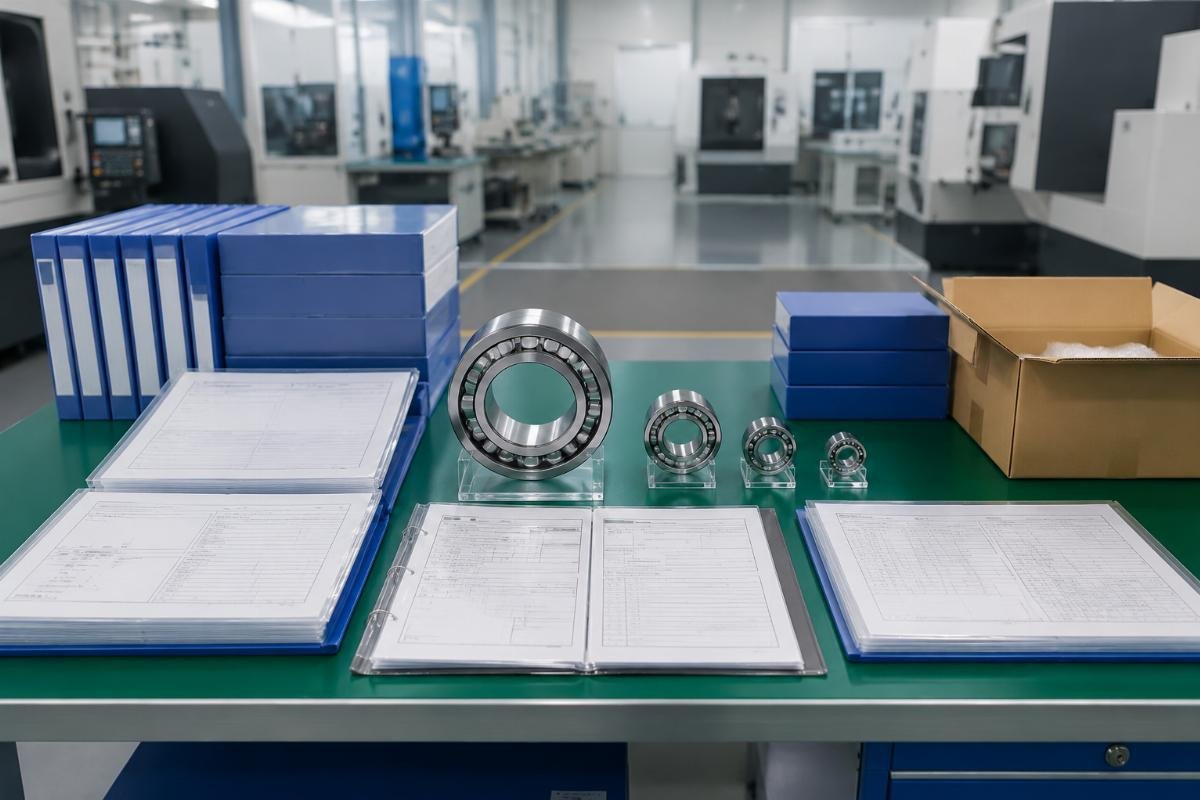
- Request Batch-Level Certificates – Insist on material test reports with heat treatment records, not just generic "genuine product" statements.
- Clarify Delivery Terms – Distinguish between "72-hour dispatch" (warehouse release) and "72-hour door-to-door" (including logistics), as the latter avoids unexpected freight costs.
- Audit Support Inclusions – Confirm whether failure analysis and installation guidance are included or require additional fees.
How to Spot Hidden Costs in Bearing Quotations from China Suppliers
Vague language in quotations is a red flag for hidden costs. Many suppliers use ambiguous terms like "standard certification" or "expedited delivery" to mask unlisted expenses. By focusing on three critical areas—certification specifics, delivery clarity, and support scope—buyers can identify these gaps before placing orders.
| Evaluation Dimension | Common Mistake | Best Practice |
|---|---|---|
| Product Authenticity | Accepting "100% genuine" without batch numbers or manufacturer COO. | Verifying anti-counterfeit labels, cross-checking serial numbers with OEM databases, and confirming warehouse location. |
| Delivery Commitments | Assuming "72-hour delivery" includes customs clearance and final transport. | Requiring itemized logistics timelines with milestones for production, shipping, and on-site arrival. |
| Technical Support | Believing "free support" covers failure analysis and replacement recommendations. | Explicitly listing response times for technical queries and including failure analysis reports in the service scope. |
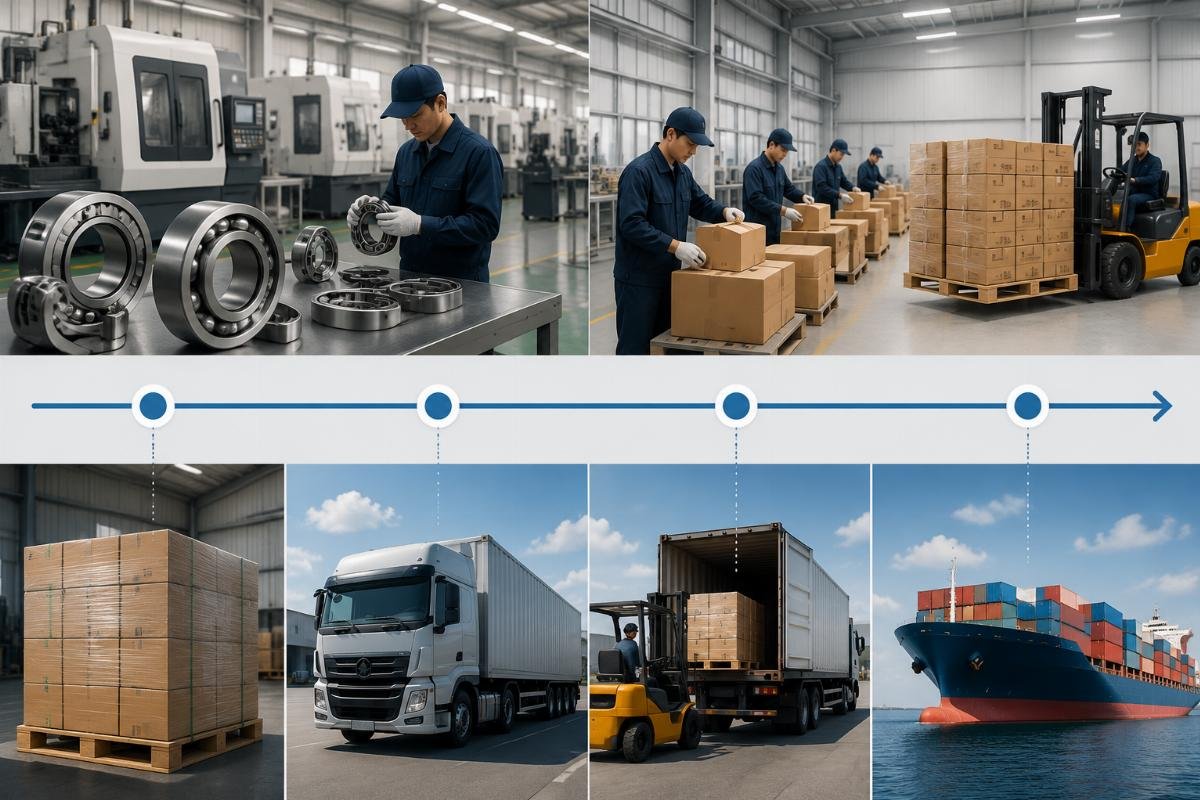
A European CNC manufacturer learned this lesson when a "72-hour delivery" promise resulted in bearings arriving 10 days late. The supplier had quoted only warehouse dispatch time, not accounting for customs delays. Our team avoided this issue for a similar client by providing a detailed logistics breakdown: 24-hour production, 48-hour shipping, and 12-hour customs clearance, all backed by a $5k/day penalty for delays.
Action Steps for Quotation Evaluation:
- Authenticity Verification – Ask for manufacturer authorization letters and warehouse photos to confirm stock ownership.
- Logistics Auditing – Request a door-to-door timeline with contact details for freight partners and customs brokers.
- Support Validation – Require written confirmation that failure analysis reports will be provided within 48 hours of component failure.
3 Case Studies: How Buyers Saved 15%+ by Avoiding Hidden Quotation Costs
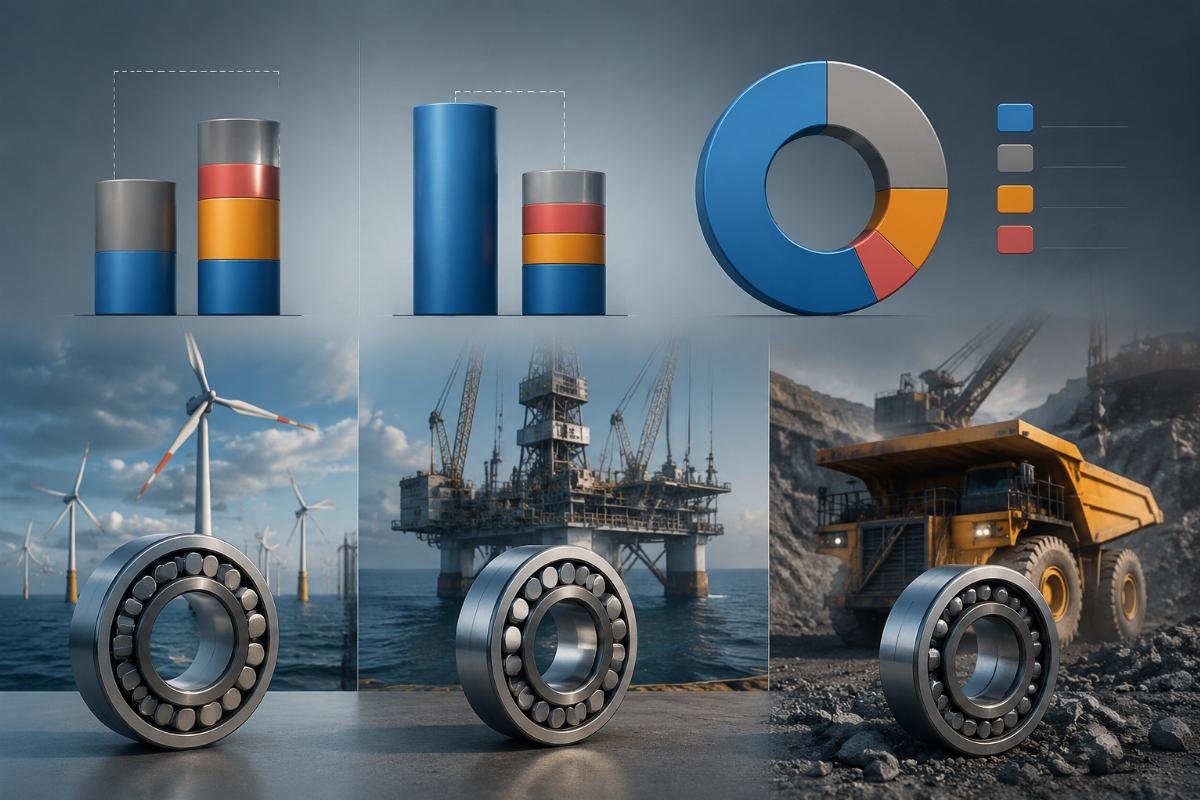
Transparent quotations directly reduce TCO through reliability and supply chain stability. These real-world examples—from wind energy to mining—show how prioritizing hidden cost transparency leads to significant savings.
Case Study 1: Wind Energy OEM Eliminates Batch Consistency Issues
A US-based wind turbine manufacturer needed gearbox bearings for 500 units/year with a 12-month qualification cycle. Their initial quotation prioritized P5 precision grade at the lowest unit price but lacked batch test reports. After experiencing 12% failure rates in prototypes, they switched to our solution, which included:
- Full traceability with batch-level material certificates and manufacturing process records
- Application-specific support including load calculation and bearing selection guidance
- 200pcs initial order with 16-week lead time and ISO 9001 + IATF 16949 certification
Result: $42k saved annually through reduced failure rates and streamlined qualification, achieving 15% lower TCO.
Case Study 2: Offshore EPC Project Avoids $150k Penalties
An EPC company managing an offshore port project required 300+ spherical roller bearings (22330 CA/W33型号) with DNV certification, delivered in 50pcs/month increments over 6 months. A competitor’s quotation offered lower unit pricing but vague delivery terms. Our proposal included:
- Phased delivery guarantees with 98% on-time rate and $5k/day penalty for delays
- Full compliance documentation package including DNV certification and customs clearance support
- Global logistics via self-operated warehousing in Shanghai and Rotterdam
Result: $150k in penalty avoidance and 20% lower TCO by eliminating delivery disruptions.
Case Study 3: Mining Operation Prevents $80k Downtime
A South African mining company faced an emergency: crusher bearings failed, threatening 48-hour production downtime (valued at $80k). Their regular supplier couldn’t verify stock authenticity. We fulfilled the order with:
- 100% anti-counterfeiting verification for 4pcs 23130 spherical roller bearings
- 12-hour delivery via self-operated emergency stock in Johannesburg
- Technical support including installation guidance to minimize downtime
Result: Production restarted within 14 hours, avoiding $80k in losses and validating the value of transparent emergency sourcing.
Action Steps for Cost Avoidance:
- Batch Consistency – For OEMs, prioritize suppliers who provide statistical process control (SPC) data for precision grades.
- **Phased Delivery Contracts