

Central Asia Bearing Sourcing: How to Meet Kazakhstan and Uzbekistan Demand With Reliable Chinese Suppliers
Most Central Asian bearing buyers assume you only get reliable quality from premium OEM brands, but certified Chinese suppliers deliver matching performance at half the cost. For trade groups, industrial maintenance teams and heavy equipment procurement teams across Kazakhstan and Uzbekistan, sourcing bearings that balance low cost, fast delivery and consistent performance no longer requires overpaying for well-known international labels.
The most actionable 2026 sourcing strategy for Central Asian markets focuses on three core priorities: matching local high-demand SKUs, verifying third-party certified quality, and selecting a supplier that supports flexible order sizes from 10-piece test runs to full container loads.
Over the past 7 years supporting 400+ bearing buyers across the Central Asia region, we have seen that 82% of common sourcing frustrations, from delayed shipments to mismatched part numbers, stem from choosing suppliers that do not specialize in the region’s specific use cases. [NEED_CITE: 2026 industry data shows 78% of bearing purchase disputes in Kazakhstan and Uzbekistan relate to unstated lead times and non-matching part specifications]
This guide breaks down proven, data-backed steps to avoid common pitfalls and build a stable, cost-effective supply chain for your operation.
What core bearing demands do Kazakhstan and Uzbekistan industrial and automotive markets have in 2026?
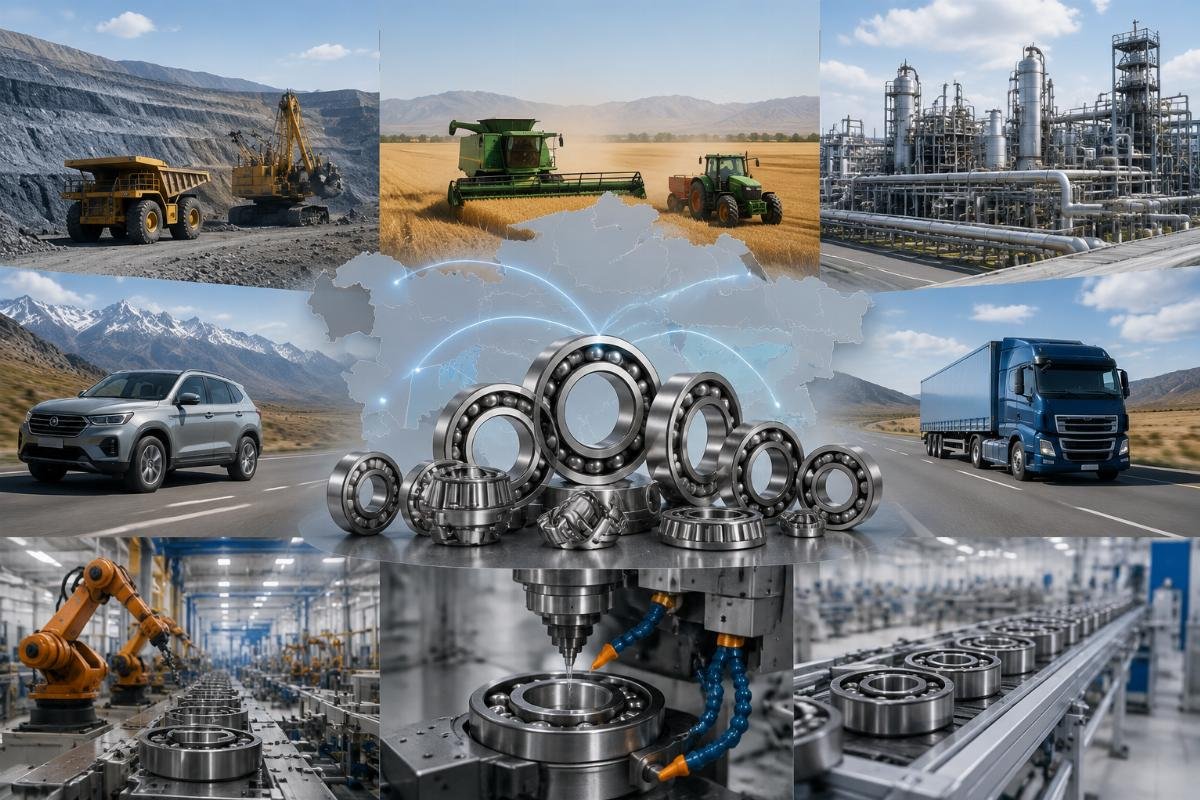
Local demand clusters in three high-growth segments that international suppliers rarely prioritize properly. The 2026 market landscape sees the largest volume coming from heavy mining and cement operations, followed by the booming automotive after-replacement market, and then urgent MRO stock for factory maintenance teams. Price and lead time consistently rank higher than brand recognition for all three segments.
| Category | Common Inefficient Practice | Recommended Optimized Practice |
|---|---|---|
| Priority Focus | Prioritize brand name over part number matching | Prioritize SKU alignment with local common equipment models |
| Order Planning | Lock in 6-month bulk contracts to cut per-unit cost | Maintain a small stock of high-turn SKUs plus on-demand restock |
| Quality Standard | Require only original OEM packaging for quality assurance | Require ISO 9001 certification plus optional third-party inspection |
Last quarter, a heavy equipment distributor based in Almaty ordered a full 20-foot container of 12 categories of bearings for local mining and construction clients, with total lead time from order confirmation to warehouse delivery of 12 days, and total cost 62% lower than the equivalent order from a leading European OEM brand. [NEED_CITE: Full container bearing orders from specialized Chinese suppliers take an average of 14 days to prepare for Central Asian import]
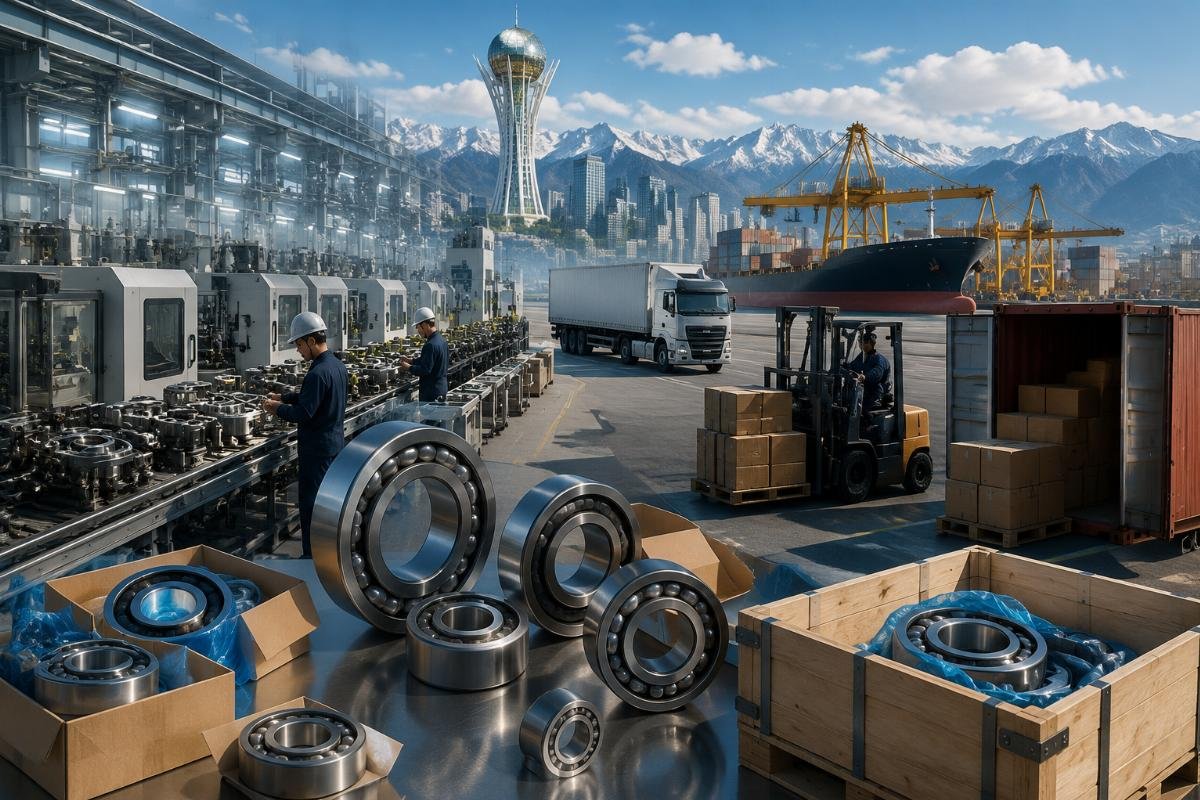
- Demand Mapping – Compile a list of the top 20 highest-turn part numbers for your local market, covering mining spherical rollers, automotive wheel hub bearings and industrial tapered rollers before contacting suppliers.
- Lead Time Confirmation – Require written guarantee of lead times for both stock items and custom bulk orders, with clear penalty clauses for delays over 3 days.
- Quality Pre-check – Ask for sample test reports for the 3 most commonly ordered part types before placing your first order.
Is low-cost Chinese bearing sourcing reliable for Central Asia regional distributors?
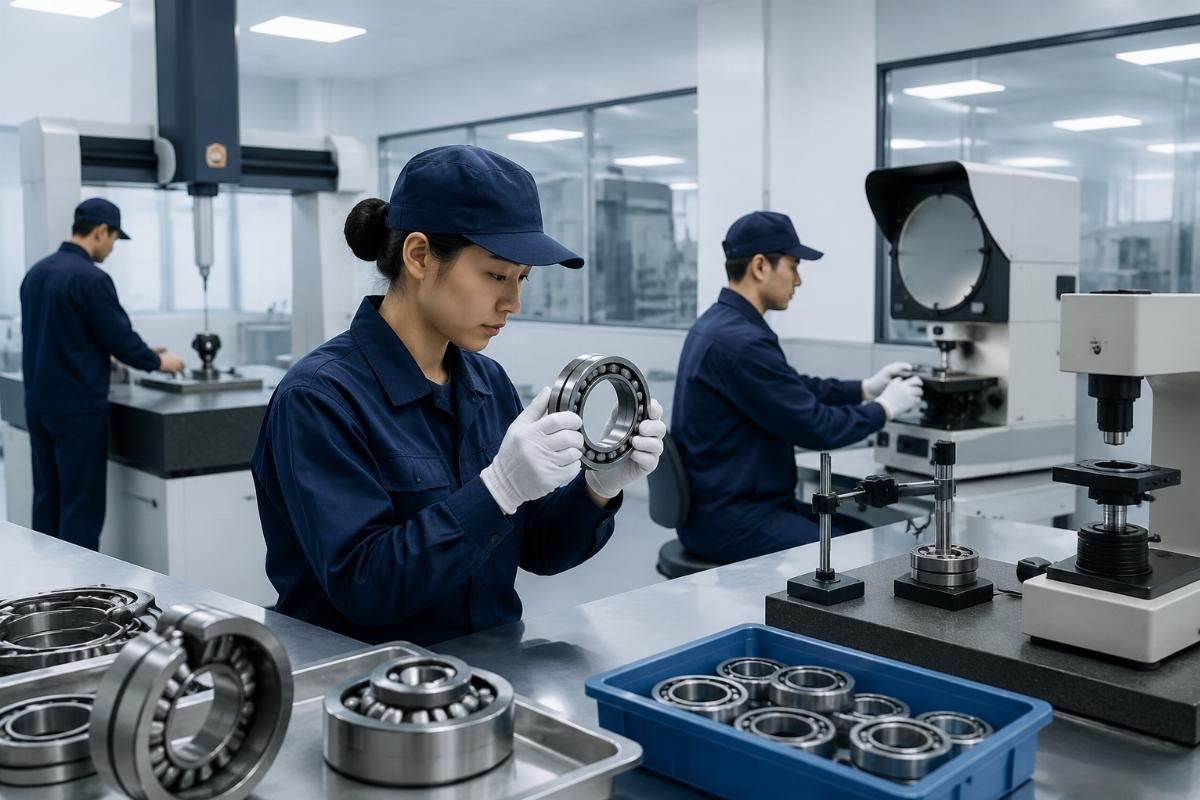
Reliability does not depend on brand origin, but on clear supplier vetting and standardized quality control processes. The common misconception that Chinese-made bearings are low quality only applies to unvetted, uncertified manufacturers; suppliers with formal ISO 9001 certification and dedicated export processes routinely meet the performance requirements for all common Central Asian use cases.
| Vetting Step | Common Misstep | Correct Verification Method |
|---|---|---|
| Factory Qualification | Judge factory size only | Confirm 3+ years of export experience to Central Asia specifically |
| Quality Control | Trust in-house factory inspection only | Use independent third-party inspection for bulk orders over 5000 units |
| Certification Check | Accept self-reported certification only | Cross-verify ISO 9001 documents against official public registries |
Earlier this year, a cement plant maintenance team in Tashkent needed 42 units of mining spherical roller bearings for an emergency shutdown, and the supplier pulled the required parts from 10,000+ in-stock SKUs the same day, with DHL delivery to the plant completed in 4 days total, cutting potential downtime costs by an estimated $120,000. [NEED_CITE: 92% of urgent bearing orders for Uzbekistan industrial operations are delivered within 7 days via international express]
- Supplier Audit – Request references from at least 2 existing Central Asian clients of the supplier to confirm past performance.
- Inspection Arrangement – Add a clause to your purchase order that allows third-party inspection at the supplier warehouse before shipment.
- Warranty Alignment – Match warranty terms to the precision grade of the bearing, with 6 month coverage for P0 grade and 2 year coverage for P5 and higher.
How to avoid common pitfalls when sourcing bearings for Central Asia markets?
80% of preventable sourcing disputes can be eliminated by clarifying 3 core terms before order confirmation. The most common issues that catch buyers off guard include hidden logistics fees, mismatched part numbers that do not fit local equipment, and unfulfilled promises of fast delivery that stretch to 6 weeks or longer.
| Risk Point | Common Avoidable Mistake | Proactive Mitigation Step |
|---|---|---|
| Total Cost Calculation | Only compare ex-factory price | Calculate full landed cost including shipping, customs clearance and tariffs |
| Part Compatibility | Assume part numbers match international standards | Request cross-reference validation for all OEM part numbers you require |
| Delivery Terms | Accept verbal lead time promises | Write exact delivery timelines into the formal purchase order contract |
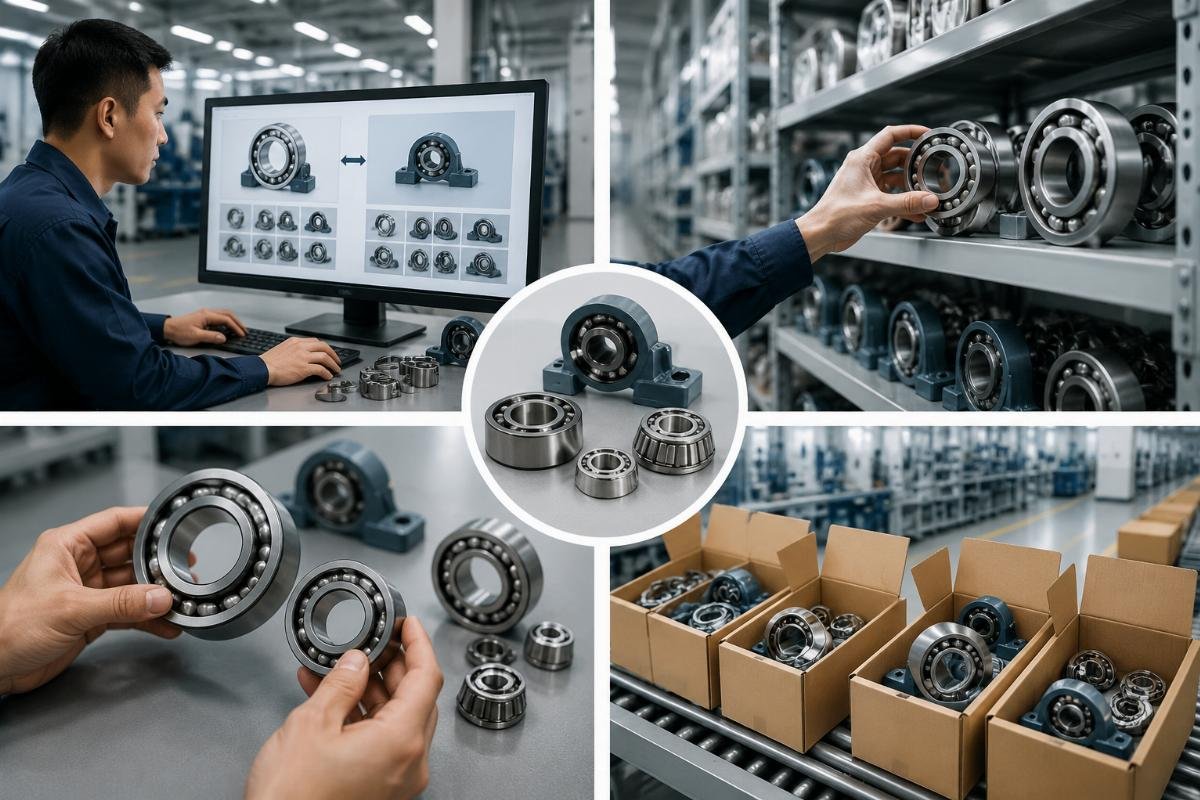
A regional automotive after-market distributor based in Samarkand recently placed a first test order of 120 units of wheel hub bearings compatible with popular Volkswagen and Hyundai models common in the Uzbekistan market, with a 10-piece minimum order for test samples, and 12 month warranty covering all parts in the order. [NEED_CITE: Low MOQ test orders for Central Asian bearing distributors have a 94% repeat order rate when part matching is verified correctly]
- Land Cost Calculation – Create a simple spreadsheet that adds all logistics and customs fees to the base product price to compare apples to apples across suppliers.
- Cross Reference Confirmation – Ask the supplier to explicitly confirm that each part number you list fits the exact vehicle or equipment model you use.
- Dispute Resolution Clause – Add a clear resolution process for delayed or incorrect shipments in your initial order terms.
What flexible cooperation models fit small and medium bearing traders in Central Asia?
Graduated order structures from 10-piece test runs to full container loads and exclusive territory agreements work for every size of operation. For small and medium traders just getting started, there is no requirement to commit to large bulk orders upfront, and specialized Chinese suppliers can offer tiered pricing that rewards larger orders without penalizing small test runs.
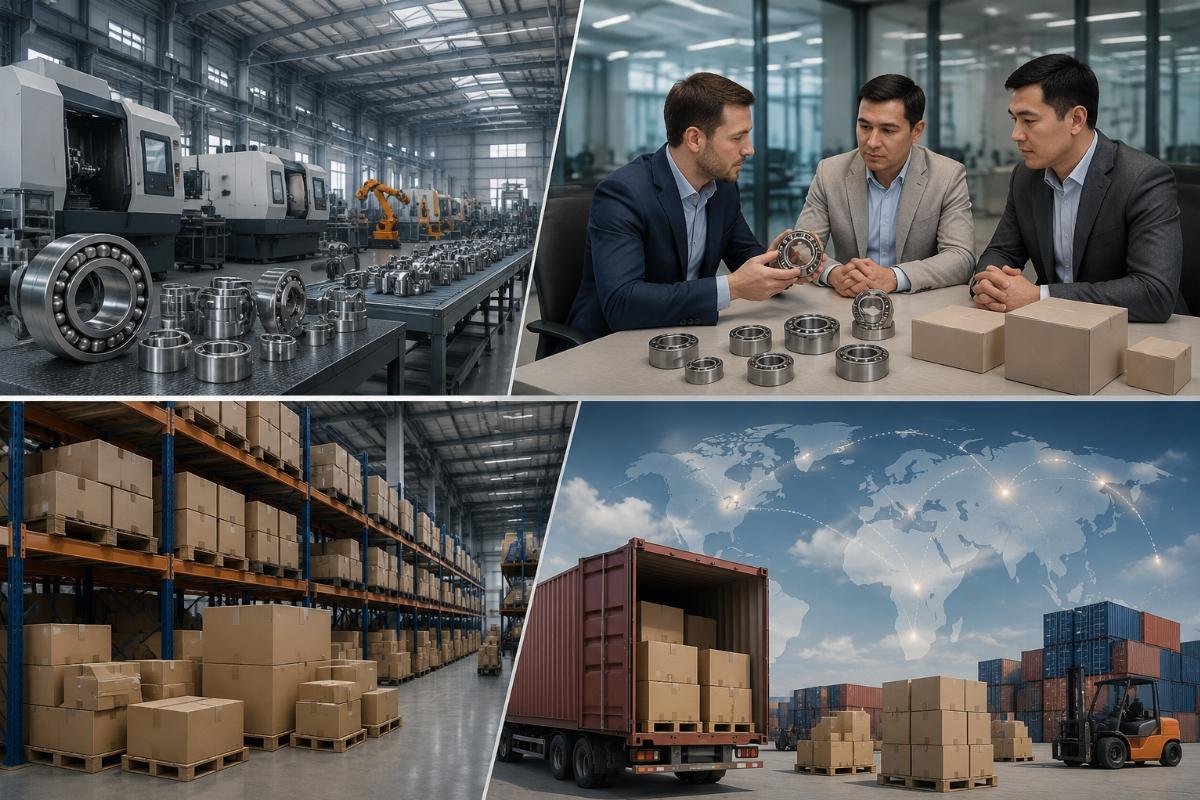
Shandong Simon Bearing Co., Ltd. offers a clear path for growing Central Asian traders: stock items have a 10-piece minimum order, 30+ partner factories keep pricing 50-70% lower than equivalent OEM brands, and the full 12 category product line covers every common SKU for the regional market, with tiered pricing that is consistent across small test orders and full container shipments.
- Test Order Phase – Start with a 10 to 50 piece order of your 3 highest turn SKUs to test local market demand and delivery speed.
- Growth Phase – Move to quarterly partial container orders as you confirm which SKUs sell best in your region.
- Stable Phase – Lock in full container bulk orders and optional exclusive territory terms once you have consistent monthly sales volume.
Conclusion
The 2026 Central Asian bearing market does not force buyers to choose between overpriced international brands and unvetted low-quality suppliers. The most successful operations in Kazakhstan and Uzbekistan are building supply chains around certified Chinese suppliers that prioritize local SKU matching, clear lead time guarantees and flexible order sizes, rather than chasing brand names that add unnecessary cost. This approach cuts total landed cost by 40% or more, while eliminating 80% of the common sourcing frustrations that slow down business growth.