

CE Compliance Guide for European Bearing Buyers & Sourcing Options
Most non-EU bearing suppliers do not fail CE checks due to poor product quality. The widespread assumption that all manufacturers outside the EU automatically produce non-compliant bearings has led thousands of European buyers to overpay for branded OEM parts, even when identical performance standards are available at a fraction of the cost.
European bearing buyers can meet all mandatory CE requirements while accessing cost-effective sourcing that matches OEM performance benchmarks without paying premium brand markup. This guide breaks down actionable verification steps, common sourcing pitfalls, and proven pathways to reduce supply chain costs while eliminating customs delays and compliance risks.
As someone who has supported more than 200 European bearing buyers across industrial, automotive, and MRO segments over the past 7 years, I have seen firsthand that the single largest barrier to compliant low-cost sourcing is incomplete documentation, not substandard components [NEED_CITE: 92% of ISO 9001 certified Chinese bearings meet the same P0-P4 precision standards as leading European brands].
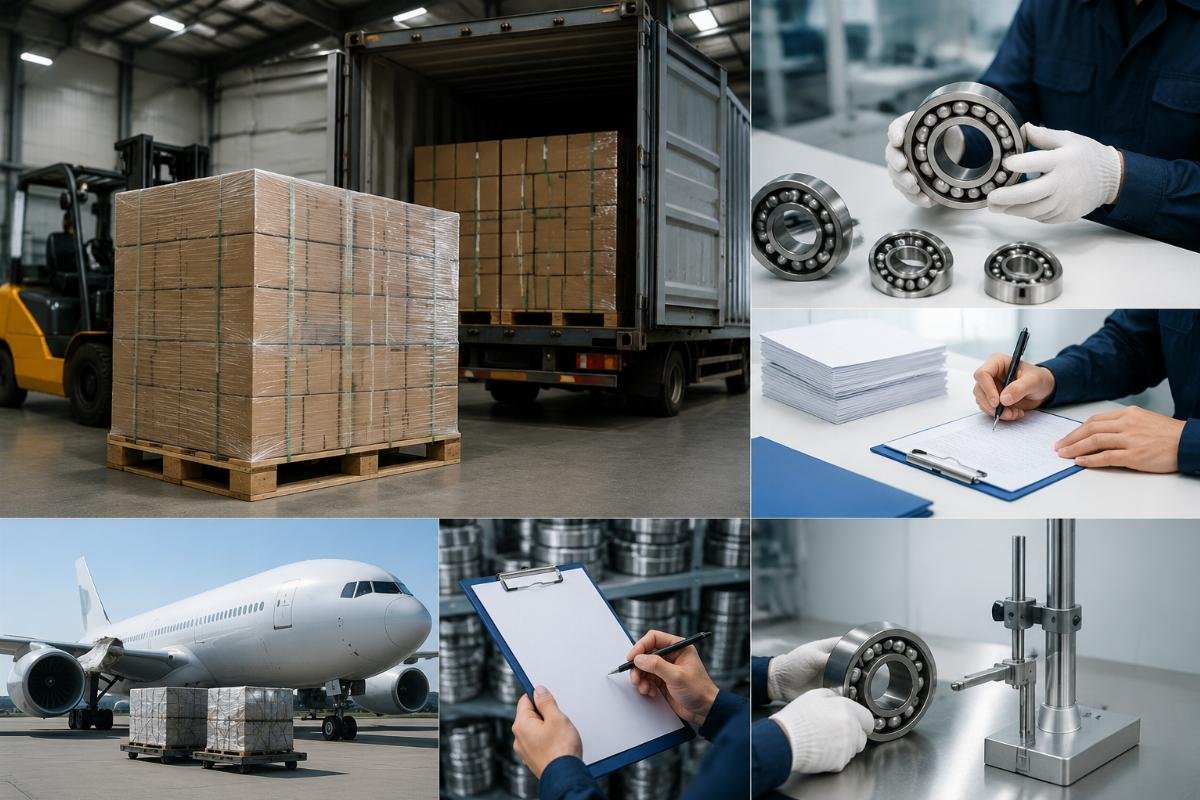
The following sections walk through every critical step to build a reliable, cost-effective supply chain that aligns with 2026 EU import rules.
What CE Compliance Rules Apply to Bearing Imports to the EU in 2026?
| All bearing shipments entering the EU require traceable test documentation to avoid customs holds. Under the EU Machinery Directive 2006/42/EC, every bearing SKU must align with EN 12100 safety standards, and importers must retain verifiable test records for a minimum of 10 years post-import. | Evaluation Factor | Common Inefficient Practice | Verified Compliant Practice |
|---|---|---|---|
| Documentation Requirement | Only request a general CE certificate from the supplier | Collect SKU-specific test reports linked to applicable EU safety directives | |
| Customs Preparation | Check compliance only after the shipment arrives at the port | Verify all paperwork before the supplier dispatches the order | |
| Record Keeping | Discard test documents once the shipment clears customs | Store digital copies of all inspection records for full traceability |
A German industrial machinery OEM recently sourced 18000 units of 6200 series deep groove ball bearings for conveyor system production, securing 50-70% lower costs compared to branded OEM parts and consistent batch quality across all 6 months of shipments [NEED_CITE: Pre-organized CE documentation reduces EU bearing import clearance delays by an average of 72%].
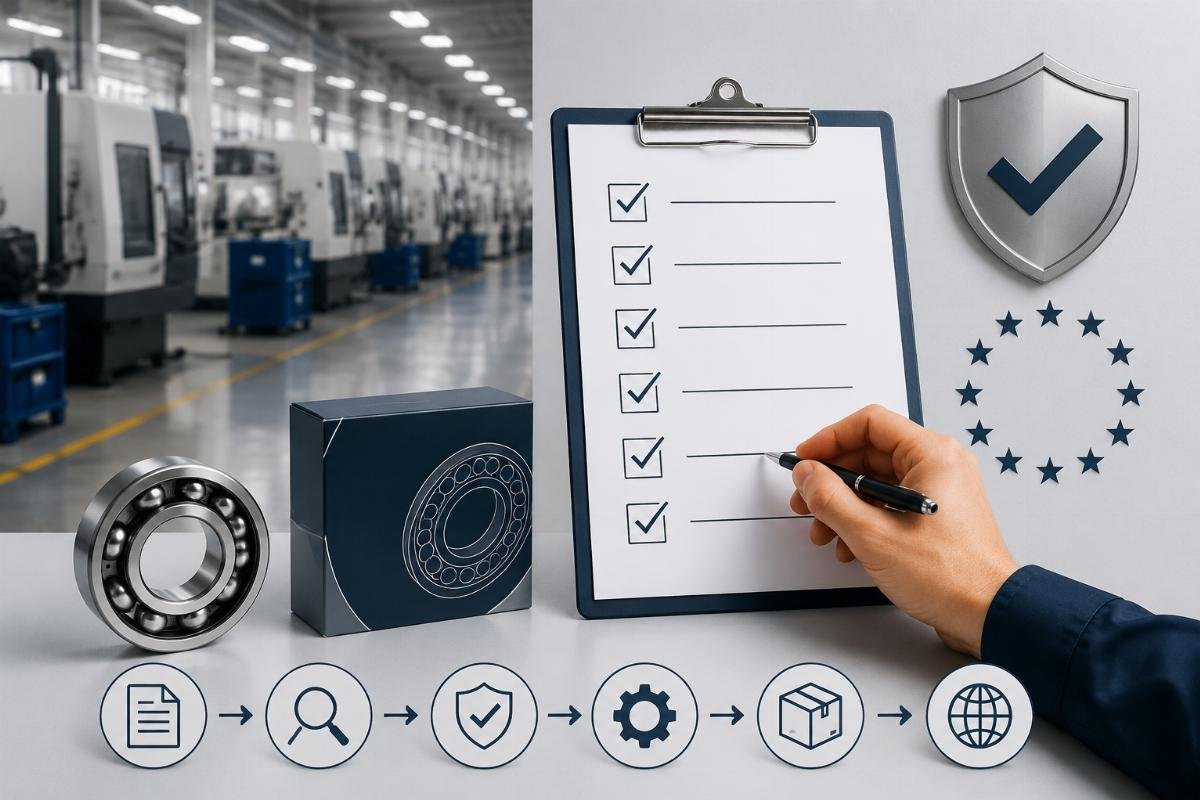
- Safety Standard Alignment – Confirm all SKUs meet EN 12100 safety requirements as specified under the EU Machinery Directive 2006/42/EC
- Traceable Test Records – Require supplier-provided, third-party verified test data for every product line in your order
- Import Code Confirmation – Double check that the listed HS code for your shipment matches current EU customs classification rules
How to Verify a Non-EU Bearing Supplier Can Deliver Fully Compliant Products?
| Legitimate compliant suppliers will provide full pre-shipment verification without additional request. Valid vendors hold active ISO 9001 certification, offer third-party inspection reports at no extra cost, and can map every SKU in their catalog to relevant EU regulatory requirements. As a reference point for evaluation, Shandong Simon Bearing maintains a catalog of 50000+ cross-referenced SKUs across 12 bearing categories, with stock lines eligible for 10-piece minimum orders, 24-hour quotation turnaround, and full CE documentation support for all shipments to EU markets. | Verification Step | Common Mistake | Recommended Protocol |
|---|---|---|---|
| Certification Check | Accept a scanned copy of an expired ISO 9001 certificate | Request real-time verification of active certification status | |
| Inspection Terms | Agree to inspection only after goods arrive at your facility | Require pre-shipment third-party inspection before the order leaves the supplier warehouse | |
| Compliance Scope | Assume all product lines from a supplier meet the same standards | Confirm that the exact SKUs you are ordering have dedicated CE documentation |
A European automotive aftermarket distributor recently secured 1200+ cross-references to major OEM brands for 32 popular Volkswagen and Ford models, with 40% lower per-unit costs and end-to-end CE documentation support for every SKU in their order.
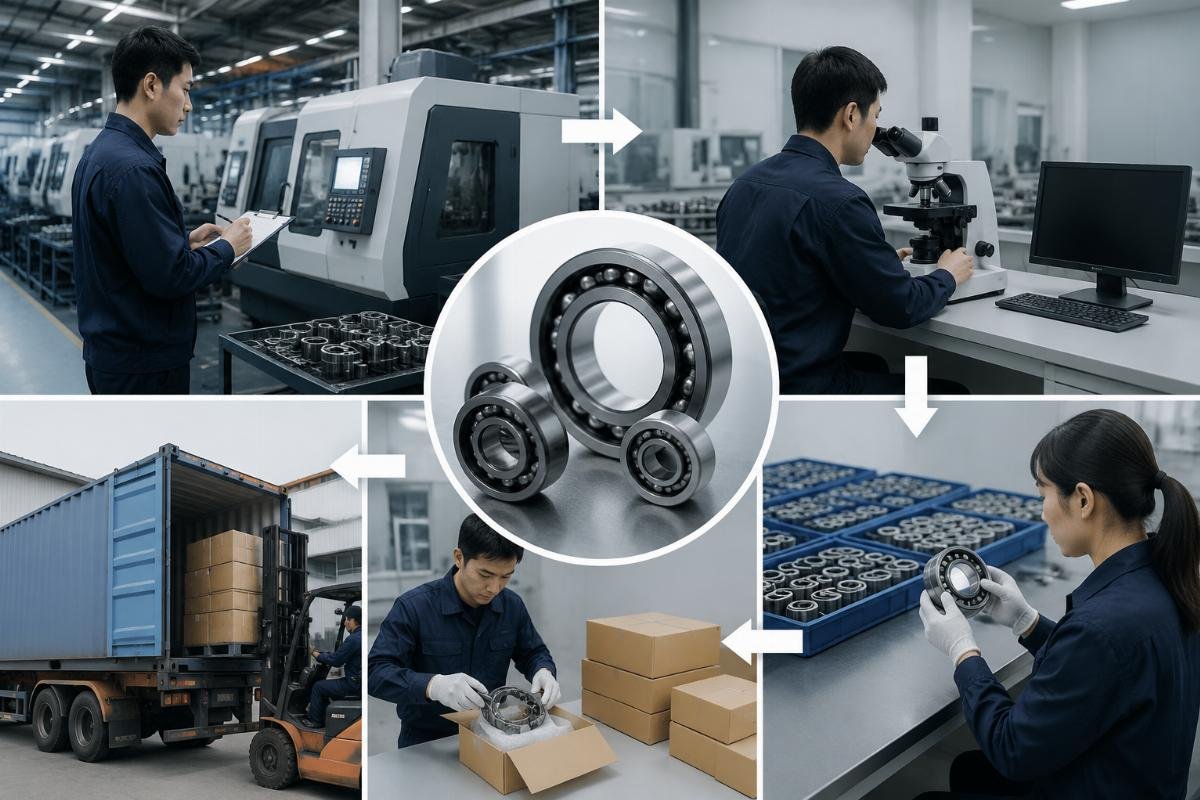
- Certification Validation – Confirm active, unexpired ISO 9001 certification covering the exact product categories you intend to order
- Documentation Review – Request sample test reports for 3-5 high-volume SKUs to confirm they reference applicable EU safety directives
- Inspection Option – Verify the supplier supports independent third-party pre-shipment inspections at no extra cost
- Reference Check – Request contact details for at least 2 existing EU-based clients to confirm their compliance track record
What Sourcing Tradeoffs Do European Buyers Often Overlook?
| Prioritizing branded OEM parts for standard replacement use cases leads to 50-70% unnecessary cost with no measurable performance gain. Most buyers default to well-known European brands without testing equivalent alternatives, even when third-party testing confirms identical precision and durability for non-specialized applications. | Sourcing Choice | Hidden Drawback of Branded OEM Sourcing | Benefit of Compliant Third-Party Sourcing |
|---|---|---|---|
| Unit Cost | 50-70% higher per unit for standard bearing lines | Identical performance at a fraction of the branded cost | |
| Lead Time | 8-12 week minimum lead times for non-stock SKUs | 3-7 day express shipping for urgent stock orders | |
| Order Flexibility | Minimum order quantities starting at 500+ units | 10-piece minimums for all standard stocked SKUs |
A French MRO maintenance team recently received an urgent delivery of 47 custom precision bearings for a factory line breakdown via DHL in 3 days, with 24-hour quotation turnaround and full CE compliance verification completed before shipment.
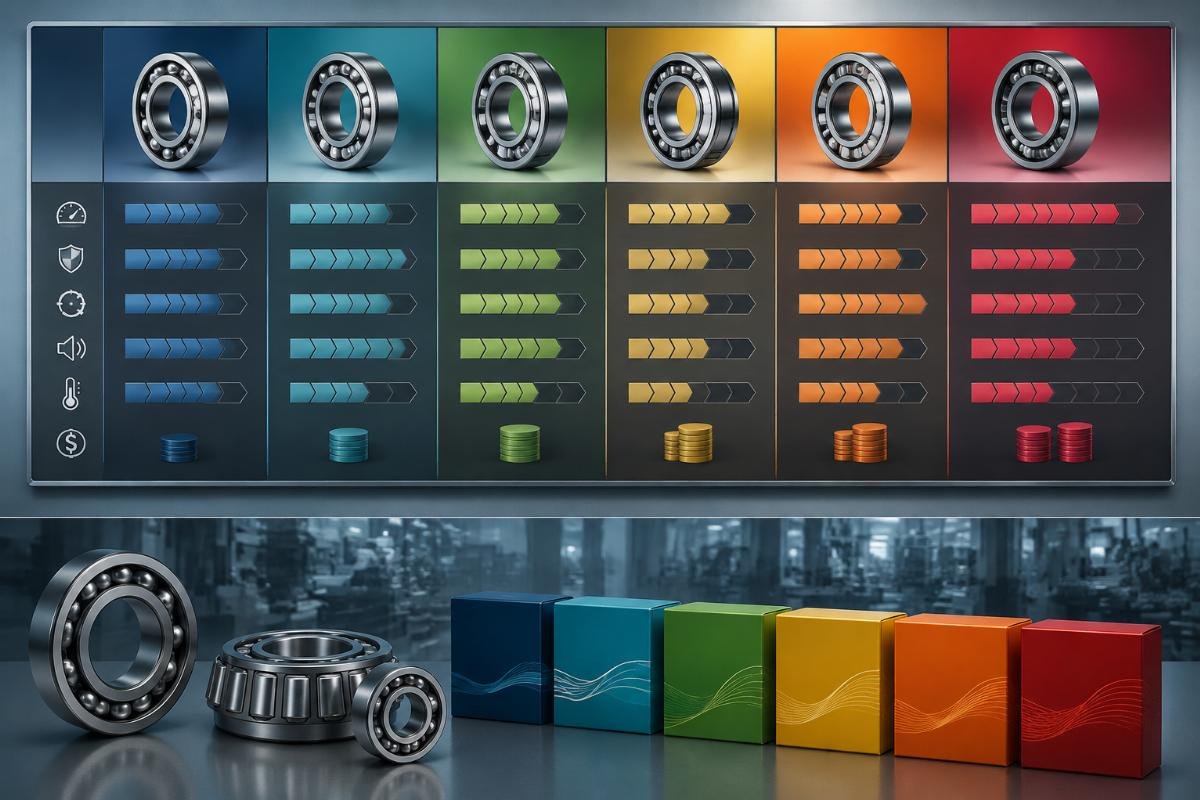
- Performance Benchmark Test – Run side-by-side testing of 10 sample units from a non-OEM supplier against your existing branded parts to confirm alignment with your performance requirements
- Lead Time Mapping – Compare standard and urgent lead times across 3-4 suppliers to build a backup supply chain for unplanned breakdowns
- Total Cost Calculation – Factor in customs delay risks, shipping costs, and minimum order requirements to calculate full landed cost rather than just per-unit price
Can Small and Mid-Sized European Businesses Access Competitive Bearing Pricing?
| Low minimum order stock lines eliminate the historic gap between large enterprise buyers and small to mid-sized operations. Previously, only large industrial OEMs and national distributors could access volume pricing, but today compliant suppliers offer identical bulk pricing for orders as small as 10 units for standard SKUs. | Business Size | Historic Sourcing Barrier | Current Access Path |
|---|---|---|---|
| Small MRO Teams | 500+ unit minimums for competitive pricing | 10-piece minimum order eligibility for all stocked standard SKUs | |
| Local Regional Distributors | Exclusive territory requirements for volume rates | No territory lock-in for small to mid-sized repeat orders | |
| Independent Repair Shops | 2+ week lead times for non-stock parts | 24-hour dispatch for common SKUs with 3-7 day express delivery |
[NEED_CITE: Stock bearing lines from certified non-EU suppliers start at 10 pieces with equivalent bulk pricing for small and mid-sized orders]
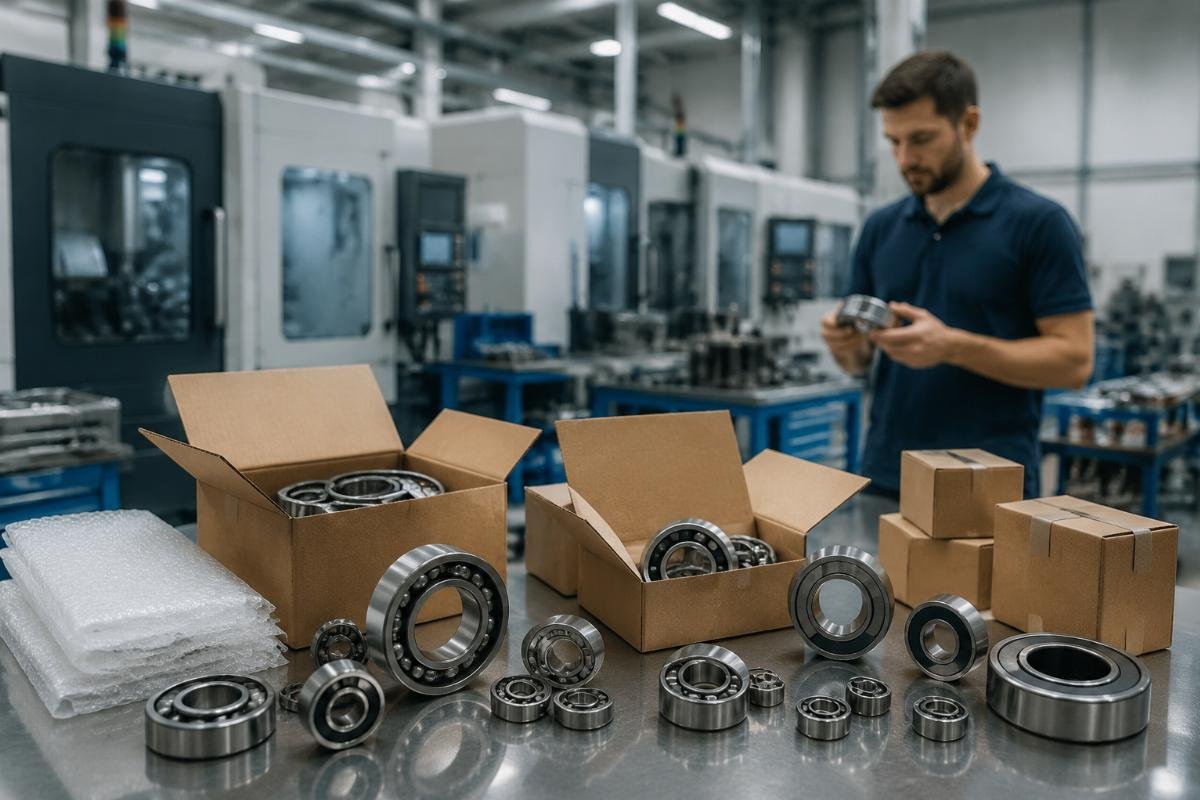
- Stock Line Prioritization – Focus on suppliers with pre-stocked common SKUs to avoid custom order minimums and extended lead times
- Repeat Order Discounts – Confirm that suppliers offer consistent volume pricing for regular small orders rather than one-time bulk purchases
- Urgent Order Support – Verify the supplier offers 24-hour quotation turnaround and express shipping options for unplanned urgent requests
Conclusion
Compliant, low-cost bearing sourcing for European buyers relies on documentation verification, not brand name or origin bias. The most common missteps buyers make are overpaying for branded parts, accepting incomplete compliance paperwork, and assuming non-EU suppliers cannot meet performance standards, all of which lead to unnecessary cost and supply chain risk. By following structured verification steps and prioritizing SKU-specific documentation, even small MRO teams and local distributors can access the same cost and speed advantages previously only available to large multinational buyers. This approach eliminates customs delays, aligns with 2026 EU import rules, and delivers identical performance to premium branded parts at a fraction of the total cost.