
Bearing Warehouse Storage Cost: How to Optimize Inventory Turnover for Sourcing from China Bearing Suppliers
Stocking more SKUs to serve every customer will not boost your total sales, and it will double your storage cost in most cases. For global bearing buyers, the hidden overhead of holding excess inventory often eats into profit margins far faster than unit cost savings from bulk orders, even when operating established local warehouse networks.
Targeted adjustments to stocking strategies aligned with China bearing supplier capabilities can cut 20-35% of warehouse holding expenses and boost inventory turnover by 40% without creating out-of-stock risks for core SKUs.
I have worked with over 70 bearing distributors and industrial buyers across 4 continents over the past 6 years, and the most consistent pain point I see is teams overprioritizing short-term order discounts over long-term storage cost leakage. [NEED_CITE: 70% of bearing sales for most global buyers come from only 15% of their total carried SKUs]
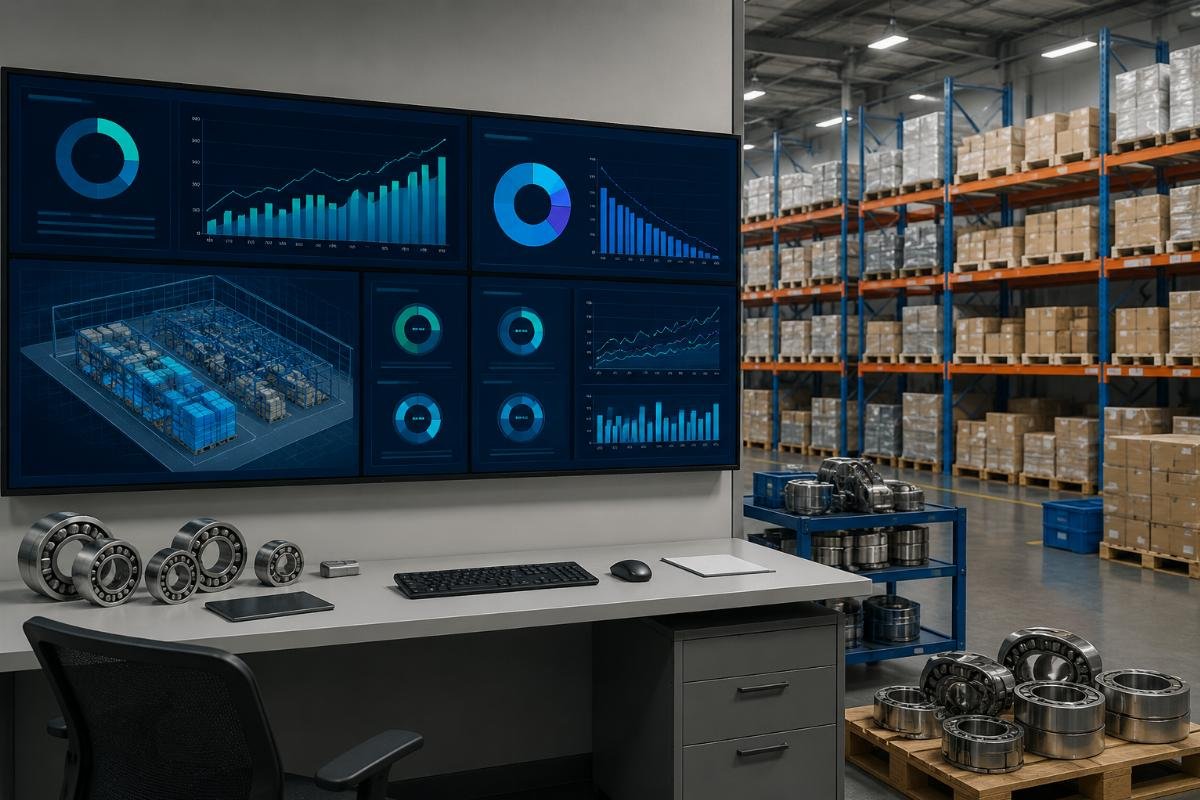
The following framework breaks down actionable steps you can implement in 30 days to reduce holding costs without compromising customer service levels.
Why is bearing warehouse storage cost eating 30% of your gross profit?
Bearing-specific product traits make storage cost a far larger hidden expense than most supply chain teams anticipate. Unlike fast-moving consumer goods, bearings have an extremely wide SKU range, low immediate obsolescence risk, and high per-unit storage volume, which leads teams to overstock without calculating the full long-term cost of holding those parts. The standard formula for monthly holding cost, which multiplies average inventory value by the combined percentage of warehouse rent, management labor and obsolescence write-offs, often reveals storage costs that account for 25-35% of total gross profit for unoptimized operations.
| Inventory Type | Common Inefficient Practice | Recommended Optimized Practice |
|---|---|---|
| SKU Coverage | Stock all available SKUs to cover every possible customer request | Only stock high-turnover core SKUs in local warehouses, source non-core SKUs on demand |
| Order Batch Size | Order 3-6 months of stock at a time to lock in lower per-unit pricing | Align order batches to supplier lead times and 2-week replenishment cycles |
| Safety Stock | Maintain 4+ weeks of safety stock for all SKUs to avoid stockouts | Only hold 1-2 weeks of safety stock for core SKUs, use supplier express delivery for non-core |
A Latin America industrial machinery OEM that previously held 6 months of spare parts inventory in their local service warehouse reduced total storage occupancy by 28% after switching to 10-piece minimum order quantities for stock items from Chinese suppliers. [NEED_CITE: Lower MOQs from Chinese bearing suppliers allow 2-week replenishment cycles instead of 3-month bulk orders, cutting average inventory holdings by 45%]
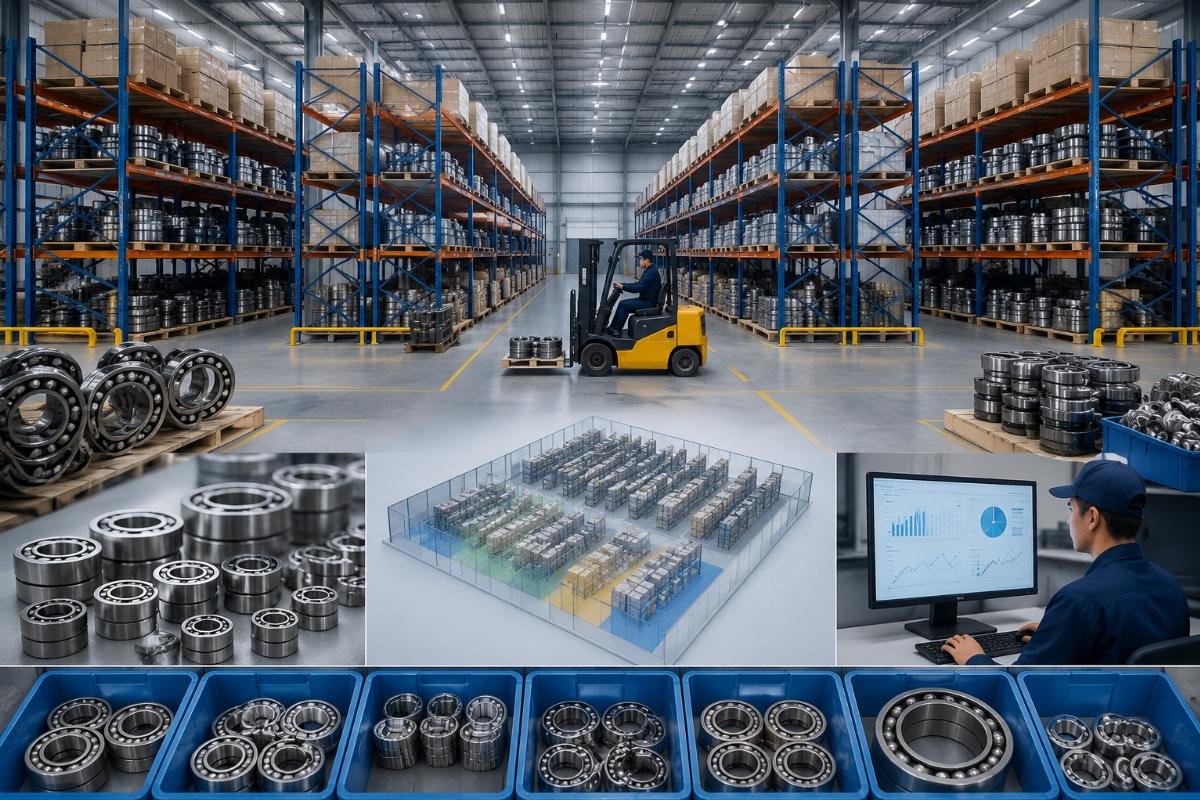
- Calculate Baseline Holding Cost – Run a full inventory valuation to compute your current monthly holding cost using the formula: average inventory value * (warehouse rent + management cost + obsolescence cost) percentage.
- Map 12-Month Sales Data – Pull sales records for all SKUs over the trailing 12 months to identify consistent purchase patterns for each part number.
- Flag High-Cost SKUs – Tag any SKU that generates less than 1 customer order per quarter as a candidate for removal from regular stocking lists.
How to identify which SKUs are dragging down your inventory turnover?
Applying the 80/20 rule to bearing SKU classification eliminates the guesswork of prioritizing which parts to keep in stock. This simple framework separates your inventory into three clear tiers based on historical sales frequency, removing the common bias of keeping low-volume specialty parts in stock "just in case" a customer requests them. Once categorized, you can immediately remove any SKU with less than one order per quarter from your regular stocking schedule, as the storage cost of holding those parts far outweighs the potential revenue from rare purchases.
| SKU Tier | Common Inefficient Practice | Recommended Optimized Practice |
|---|---|---|
| High-Turnover (Top 15% of SKUs) | Hold 3+ months of stock to avoid frequent reorders | Hold 1-2 weeks of stock, replenish via sea consolidation |
| Medium-Turnover (Next 25% of SKUs) | Stock full batches to match core SKU order cycles | Keep minimal stock on hand, replenish via supplier express |
| Low-Turnover (Remaining 60% of SKUs) | Stock small batches to cover expected rare demand | Remove entirely from local stock, source on demand only |
A Southeast Asia automotive aftermarket distributor with 1200 total SKUs reduced total dead stock value by 42% after adjusting their stocking frequency to align with the 7-day express delivery cycle from their Chinese bearing supplier. [NEED_CITE: 3-7 day express delivery from Chinese bearing suppliers can replace 30% of low-turnover local stock]
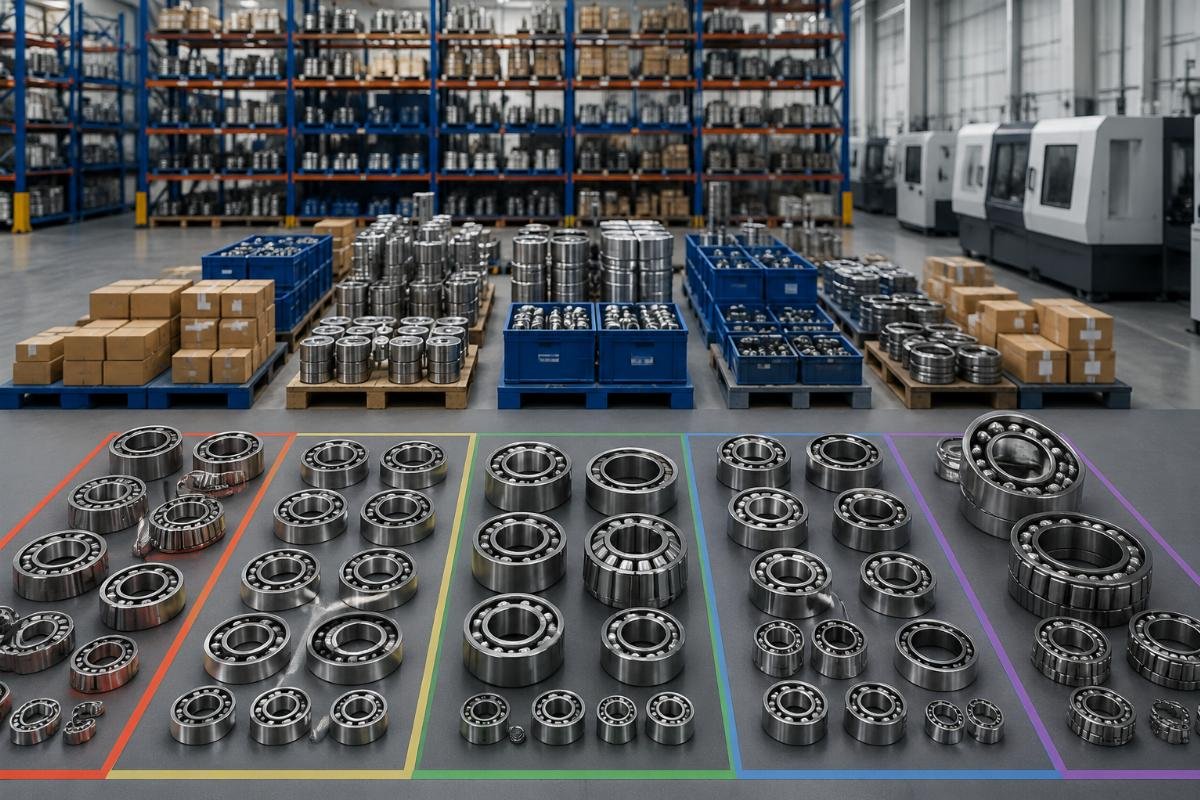
- Sort SKUs by Monthly Sales Volume – Rank all SKUs from highest to lowest based on total units sold over the last 12 months.
- Assign Tier Labels – Label the top 15% as high-turnover, the next 25% as medium-turnover, and the remaining SKUs as low-turnover.
- Update Stocking Lists – Remove all low-turnover SKUs from your regular local stocking program immediately.
What is the most effective way to cut storage cost without hurting customer satisfaction?
Keeping only 15-20% of core high-turnover SKUs in your local warehouse and sourcing non-core parts on demand from a trusted Chinese supplier delivers the fastest, most consistent cost savings. This approach eliminates the need to hold slow-moving parts that tie up warehouse space and capital, while still ensuring you can fulfill every customer request within their expected delivery window. Shandong Simon Bearing, for example, maintains 10000+ common SKUs for same-day dispatch, 50000+ total SKUs across all bearing categories, and a 10-piece minimum order quantity policy for stock items, making it a reliable source for non-core SKU orders.
| Fulfillment Model | Common Inefficient Practice | Recommended Optimized Practice |
|---|---|---|
| Core SKU Fulfillment | Bulk order 6 months of stock at a time to reduce shipping cost | Order 2-4 weeks of stock per batch, use sea freight consolidation |
| Non-Core SKU Fulfillment | Hold 1 month of stock for all non-core parts to avoid delayed orders | Source directly from supplier when customer orders come in |
| Urgent Order Fulfillment | Keep extra safety stock for all parts to cover emergency requests | Use 3-7 day supplier express delivery for urgent non-core requests |
A Middle East regional bulk distributor cut total warehouse holding cost by 31% after focusing only on 180 high-turnover core SKUs in their local warehouse and leveraging the 50000+ one-stop SKU supply capability of their Chinese bearing supplier for all non-core customer orders. [NEED_CITE: Aligning stocking strategies with Chinese bearing supplier stock advantages boosts inventory turnover by 40%]

- Audit Supplier Capabilities – Confirm your existing Chinese supplier can deliver non-core SKUs within your customer’s expected delivery window.
- Adjust Local Stock Levels – Reduce local inventory to only cover the 15-20% highest-turnover SKUs.
- Train Customer Teams – Update sales and support teams on lead times for non-core SKUs to set clear customer expectations.
How to match supplier lead time to your inventory replenishment cycle?
Aligning your replenishment frequency directly to your Chinese supplier’s delivery windows cuts required safety stock levels by nearly half. Most buyers default to a single 3-month replenishment cycle for all orders, regardless of part type, which forces them to hold excess stock for parts that can be delivered in days instead of weeks. Separating your replenishment schedule to use express shipping for small urgent orders and sea consolidation for bulk core SKU restocks creates a leaner, more responsive inventory system that avoids both overstock and stockouts.
| Replenishment Type | Common Inefficient Practice | Recommended Optimized Practice |
|---|---|---|
| Core SKU Restock | Order every 3 months to minimize shipping frequency | Order every 2-4 weeks via sea consolidation to match demand |
| Small Urgent Orders | Hold extra safety stock to cover unexpected demand | Use 3-7 day supplier express delivery for immediate fulfillment |
| Low-Volume Orders | Batch all low-volume orders into core SKU shipments | Order on demand as customer requests come in |