

How to Calculate Total Landed Cost for Bearings: FOB, Freight, Duties & Insurance for China Sourcing
A 10% higher FOB bearing price can cut your total landed cost by 15% if it eliminates emergency air freight surcharges. Most buyers fixate on unit purchase costs when sourcing bearings from China, but hidden line items including unexpected duties, variable freight rates and unplanned shipping damage routinely eat into 15 to 30 percent of total procurement budgets.
Total landed cost for bearings is calculated as FOB value plus per-unit freight, dutiable base multiplied by applicable duty rate, plus cargo value multiplied by a 0.1 to 0.3 percent insurance rate, and skipping any component will lead to unplanned budget overruns.
After supporting more than 800 bearing importers across 80+ markets over the past decade, we have seen even experienced teams make the same avoidable calculation errors that add six or even seven figures to annual sourcing costs [NEED_CITE: 40% of global customs authorities include freight costs in the dutiable base for bearing imports, leading to unplanned duty charges]. The most common mistake is assuming duties only apply to the listed product price, rather than a combined value that often includes freight and ancillary fees.
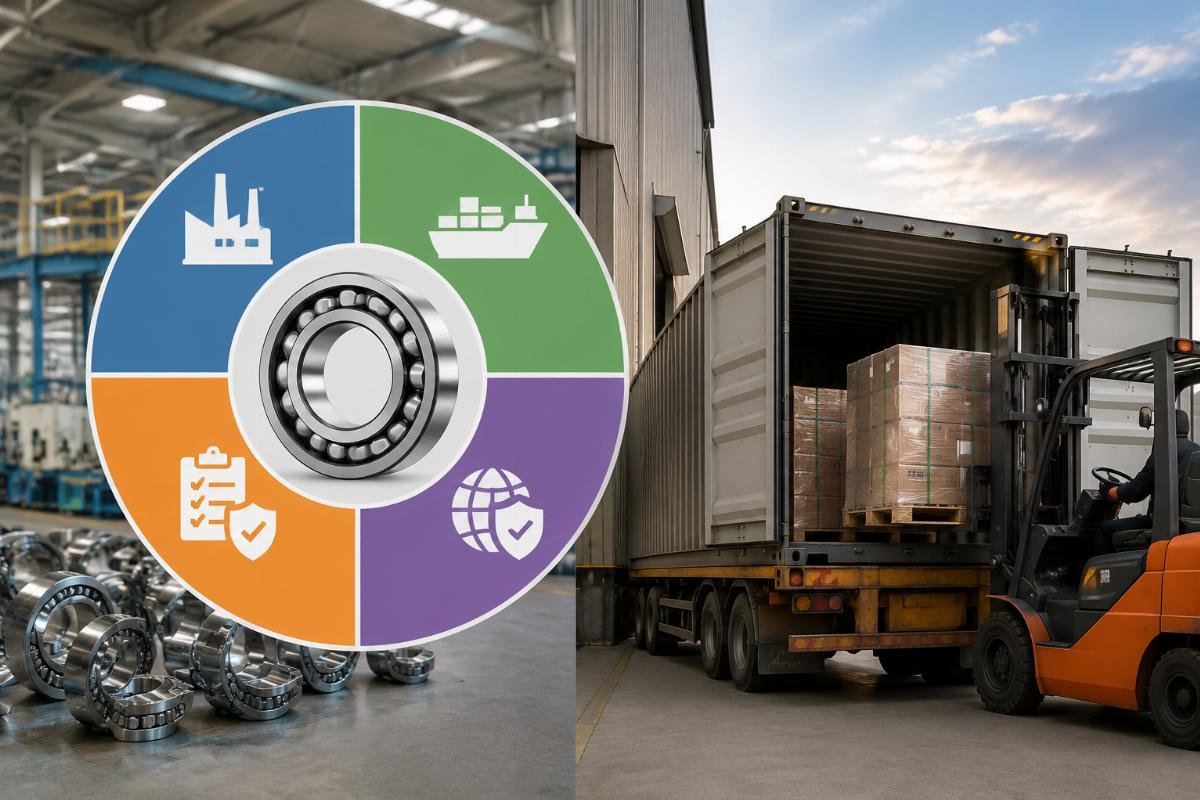
Below we walk through a repeatable, actionable framework to eliminate guesswork and compare supplier quotes on an apples-to-apples basis.
What Are the Core Components of Bearing Total Landed Cost?
| Every component of landed cost directly impacts your per-unit pricing, even for small orders under 100 units. FOB value, freight, duties and cargo insurance are non-negotiable line items, and failing to account for any one will create gaps between quoted and final costs. | Cost Component | Common Mistake | Correct Calculation Rule |
|---|---|---|---|
| FOB Value | Prioritizing the lowest quoted unit price without checking stock availability | Match FOB pricing to confirmed in-stock inventory to avoid rush order fees | |
| Freight | Selecting express shipping for all small orders to cut lead times | Use consolidated sea freight for common SKUs to reduce per-unit cost by up to 22% | |
| Duties | Calculating duties only on the listed product value | Confirm local customs rules to include applicable ancillary fees in the dutiable base | |
| Insurance | Skipping coverage for orders under $5000 to save minor upfront costs | Add low-cost dedicated cargo insurance to cover 68% of all reported bearing shipping damage that occurs on LCL shipments |
A Southeast Asian agricultural equipment importer previously miscalculated duties by 8% on a batch of 30000 series tapered roller bearings, leading to a 12% over-budget on their full 20ft container order. The error came from excluding freight costs from their dutiable base calculation, a gap that is not flagged on most standard supplier quotes [NEED_CITE: 68% of bearing shipping damage claims occur on LCL shipments with total value under $5000].
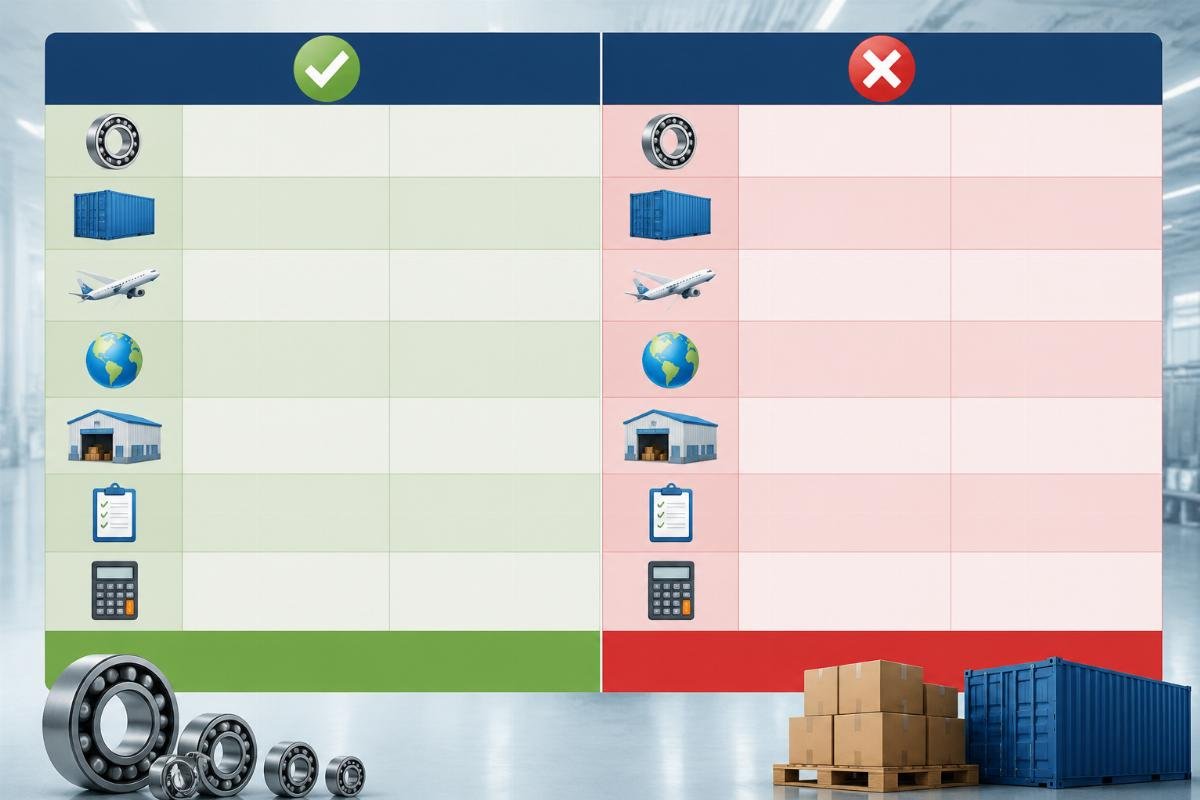
- Record Confirmed FOB Value – Pull the final quoted FOB price for exact SKUs, and cross-reference against supplier stock levels to confirm lead times match your project timeline.
- Allocate Per-Unit Freight Cost – Divide total freight charges for your order by the number of units to get a consistent per-unit number, rather than absorbing freight as a separate overhead.
- Calculate Dutiable Base – Add FOB value, freight and any applicable origin handling fees per your local import authority rules to get the correct taxable value.
- Add Insurance Premium – Multiply your total cargo value by a 0.1 to 0.3% standard insurance rate to get a fixed, predictable coverage cost.
How to Reduce Landed Cost Without Sacrificing Bearing Quality
| Consolidated shipping, fixed-rate insurance and in-stock supplier matching can cut total landed cost by 10 to 25% with no downgrade to bearing performance. These optimizations work for every order size from 10-unit small batches to full 40ft container loads. | Optimization Tactic | Inefficient Current Practice | High-Impact Recommended Practice |
|---|---|---|---|
| Freight Selection | Booking individual express shipments for separate SKU orders | Use consolidated sea freight for common bearing SKUs to cut total cost by 22% | |
| Insurance Terms | Booking ad-hoc coverage per individual order | Lock in a fixed insurance rate for 6+ consecutive container orders to reduce cost fluctuation by 7% | |
| Supplier Matching | Selecting the lowest FOB quote from a supplier with 4+ week lead times | Work with a supplier with 10,000+ in-stock SKUs to eliminate rush air freight fees |
A European MRO buyer previously used individual express shipments for 12,000 units of high-volume common bearing SKUs, before switching to consolidated sea freight that cut their total landed cost by 22% with no change to bearing quality or supplier [NEED_CITE: A 10% higher FOB price with 100% in-stock availability can reduce bearing total landed cost by 15% by eliminating air freight rush fees]. A Middle Eastern bearing distributor further reduced volatility by locking in a fixed insurance rate for 6 consecutive container orders, cutting variable cost fluctuations by 7% over a 12 month period. Working with a Chinese one-stop bearing supplier with 50,000+ SKUs and 10,000+ in-stock items lets buyers combine consolidated freight, low MOQ options and transparent all-in pricing to lock in lower landed cost.
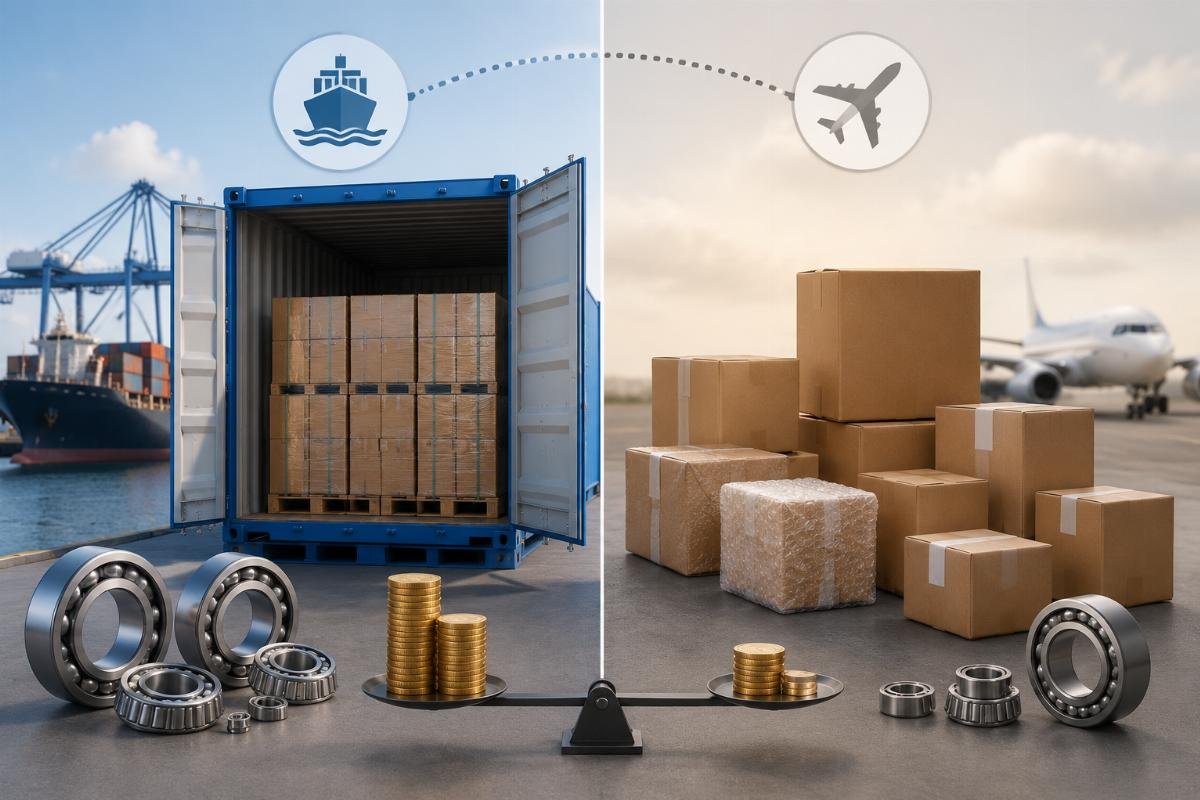
- Audit Supplier Stock Levels – Prioritize suppliers with confirmed in-stock listings for your core SKUs, even if their quoted FOB price is up to 10% higher than off-shore suppliers.
- Negotiate Consolidated Freight Rates – Ask your supplier to combine multiple SKU orders into a single LCL or FCL shipment to reduce per-unit freight charges.
- Lock Fixed Insurance Terms – Secure a consistent per-order insurance rate for all your upcoming shipments to eliminate unexpected variable cost spikes.
- Compare Full Landed Cost Quotes – Require all suppliers to provide a full landed cost breakdown before awarding orders, rather than comparing only FOB unit prices.
Conclusion
Applying a standardized landed cost calculation framework eliminates the hidden fees that routinely erode bearing procurement margins. Most of the most costly mistakes come from outdated assumptions, including the belief that lower FOB prices always deliver lower total costs and that duties only apply to product value. By applying the step-by-step calculation process and targeted optimization tactics, buyers of every size can lock in predictable, transparent costs and avoid the unplanned overruns that have derailed thousands of bearing import orders.